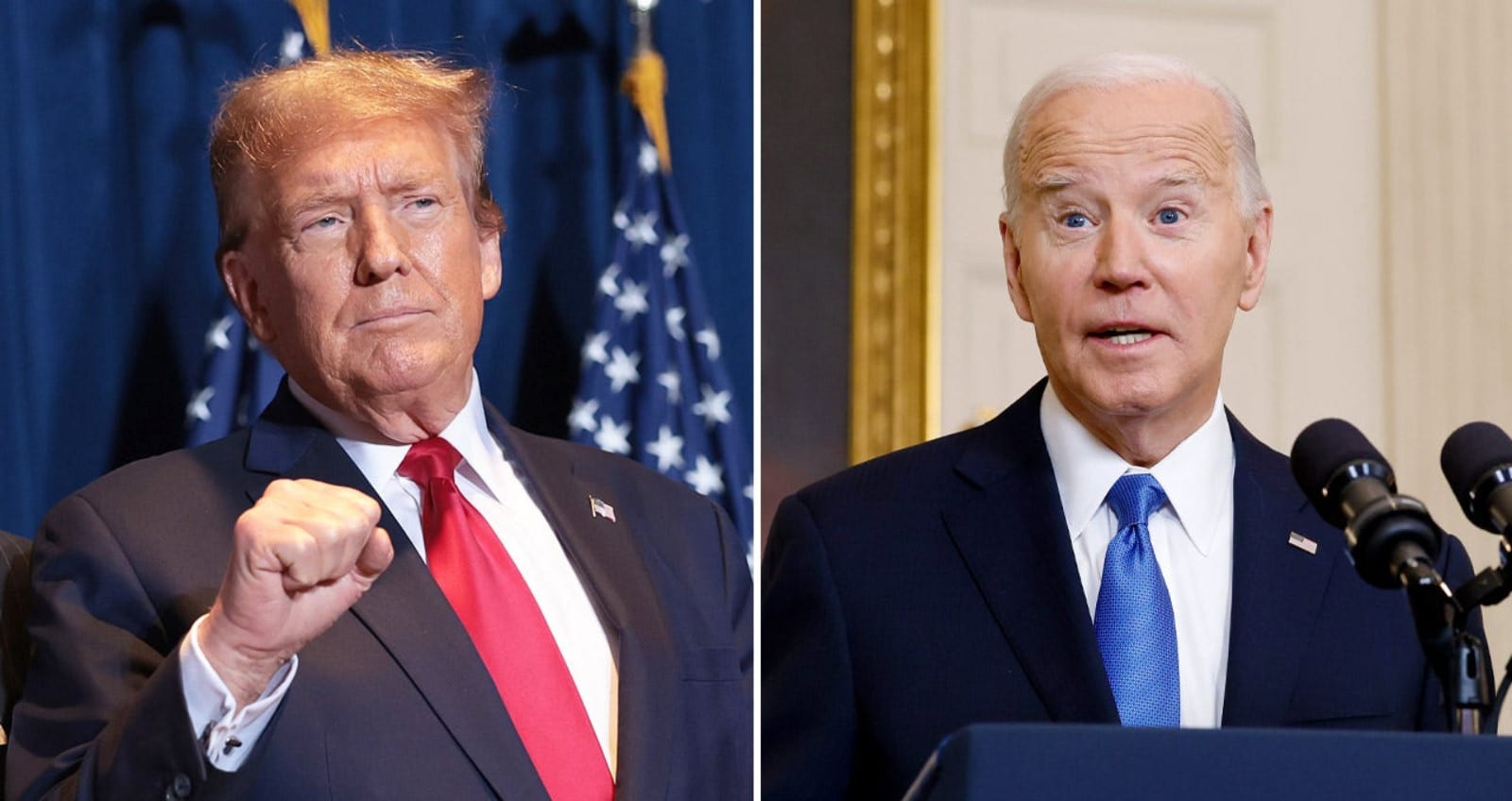
President Joe Biden announced Friday his decision to block a $15 billion takeover of U.S. Steel by the Japanese company Nippon Steel, concluding a yearlong business saga that became entangled in election-year politics.
The move follows a national security review by a Treasury Department committee, which failed to reach a consensus and referred the decision to the president in December. In September, Biden was preparing to halt the deal, NBC News reported.
The president, with just over two weeks remaining in office, faced a complex political dilemma regarding the future of the iconic Pittsburgh-based company. Allowing a foreign entity with significantly greater resources to acquire U.S. Steel could have bolstered its financial stability. However, keeping the firm under American ownership raised concerns about its ability to compete amid intense global competition.
“As I have said many times, steel production — and the steel workers who produce it — are the backbone of our nation,” Biden said in a statement. “A strong domestically owned and operated steel industry represents an essential national security priority and is critical for resilient supply chains. … Without domestic steel production and domestic steel workers, our nation is less strong and less secure.”
Founded in 1901, the company, which now employs approximately 11,000 workers, has significantly declined from its peak during World War II, when it had a workforce of about 340,000. Its stock price has seen minimal growth since the 1990s, as cheaper steel production overseas, particularly in Asia, has surged.
Reached for comment Thursday night, a spokesperson for U.S. Steel referred NBC News to a previous statement, saying that the deal “enhances U.S. national and economic security through investment in manufacturing and innovation.” The official also argued that the transaction would “combat the competitive threat from China.”
“It is the best way, by far, to ensure that U. S. Steel, including its employees, communities, and customers, will thrive well into the future,” the spokesperson said. “It is our hope that President Biden will do the right thing and adhere to the law by approving a transaction that so clearly enhances U.S. national and economic security.”
The prospect of blocking the deal had sparked concerns about potential strain on U.S.-Japan relations, as Japan is a key ally and the largest foreign investor in the United States. There was no immediate response from Japanese officials, as Friday was a bank holiday in Japan.
While Japanese government representatives have previously refrained from commenting on the management of specific companies, they have emphasized the importance of strengthening U.S.-Japan economic ties, including fostering greater mutual investment.
President-elect Donald Trump also voiced opposition to the sale, stating in December that he would block the bid and revive U.S. Steel through a mix of tax incentives and tariffs.
In an attempt to address political concerns, Nippon Steel issued a statement in September asserting that U.S. Steel would remain an American company under the ownership of Nippon Steel North America. The company pledged that Americans would constitute the majority of U.S. Steel’s board of directors and that the firm would continue to be headquartered in Pittsburgh under the new ownership.
“Nippon Steel will prioritize production at U. S. Steel to meet the demand in the U.S. steel market,” the Japanese company said.
American and international business groups have criticized the deal, arguing it has been overly politicized.
The proposed acquisition sparked controversy almost immediately after its announcement in December 2023. Biden said in a statement that month that it “appears to deserve serious scrutiny in terms of its potential impact on national security and supply chain reliability.”
This article may contain commentary which reflects the author's opinion.
