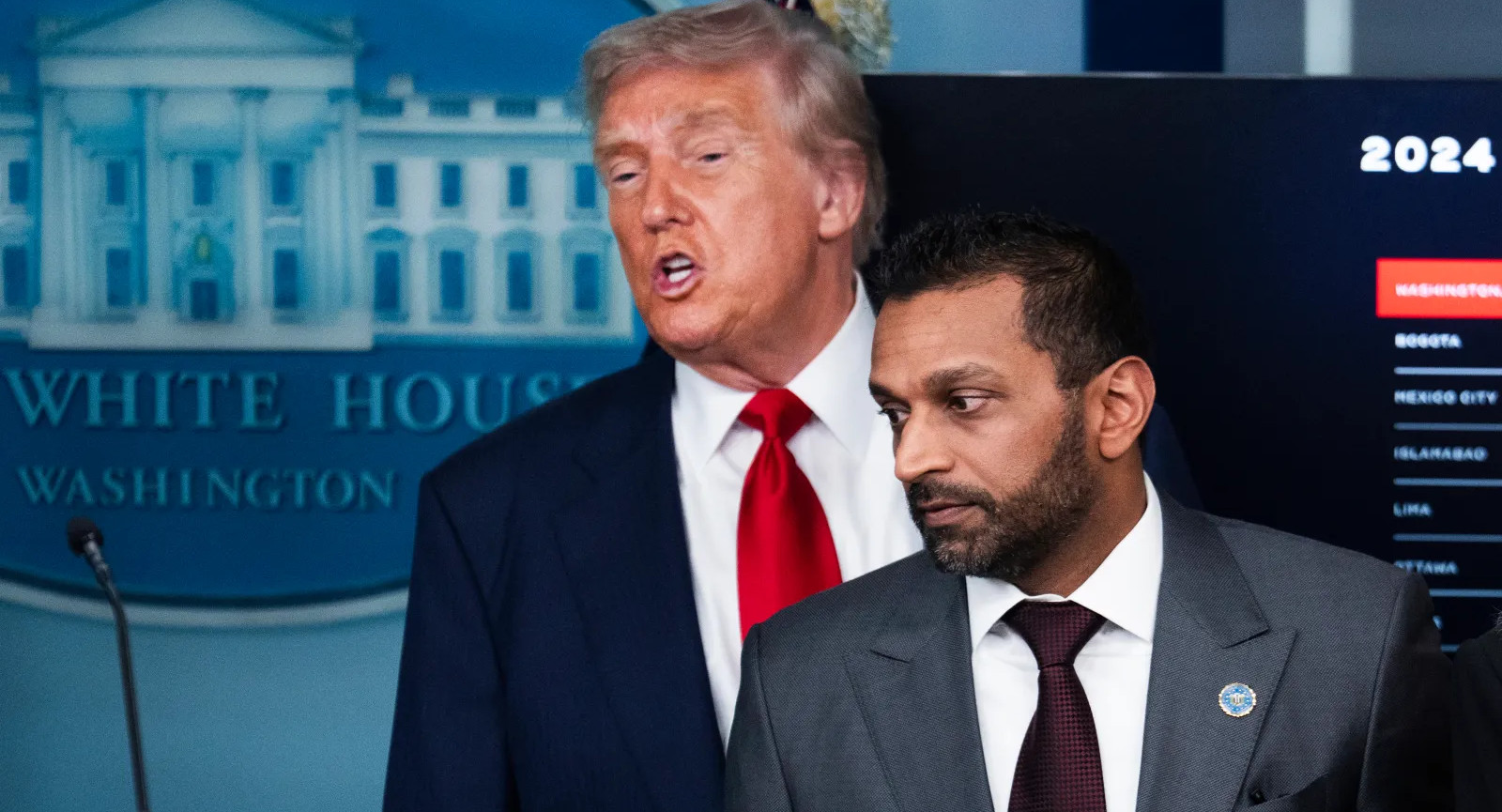
A senior FBI leader is rejecting reports that internal turmoil drove his sudden decision to leave the bureau.
He says the truth is deeply personal and has nothing to do with conflict, demotion, or dissatisfaction.
Outgoing FBI Co-Deputy Director Andrew Bailey says he is returning to Missouri to raise his four young children.
“This was 100% about my need to get home and raise my four small children,” Bailey said.
“I love my kids,” the former Missouri attorney general added during an exclusive interview.
Bailey announced Monday that he would leave the FBI after serving more than one year.
He forcefully rejected claims that problems inside the bureau or disagreements with leadership influenced his decision.
“My decision to go home is based solely upon my need to be a parent,” Bailey said.
The outgoing official accused some news organizations of spreading “lies” about the circumstances surrounding his departure.
He also mounted a strong defense of FBI Director Kash Patel and the agency’s ongoing transformation.
Bailey called accusations against Patel “bold-faced lies” and praised his commitment to President Donald Trump’s public-safety agenda.
Patel separately praised Bailey’s service and credited him with helping institute critical reforms producing historic results.
“Andrew’s leadership at the FBI will be missed,” Patel said while thanking him for answering the call.
Bailey left his position as Missouri attorney general in 2025 to join the FBI leadership team.
After Dan Bongino departed, veteran FBI official Christopher Raia joined Bailey and Patel in the bureau’s senior leadership.
Bailey maintained that his departure reflected family priorities rather than organizational tension or political conflict.
He described the bureau’s recent work as a “truly historic transformation” of federal law enforcement.
Bailey credited Trump and Patel with shifting the FBI toward violent crime, child protection and homeland security.
He highlighted homeland security task forces and Trump’s designation of Mexican drug cartels as foreign terrorist organizations.
Bailey said those policies strengthened cooperation between federal agents and state, tribal and local law enforcement.
The FBI added more than 2,000 task force officers during the past year, according to Bailey.
He also cited what he described as a 20 percent reduction in homicides under the administration’s approach.
Bailey said FBI personnel arrested more than 5,000 violent offenders while identifying and rescuing thousands of child victims.
The bureau also seized 3,258 kilograms of fentanyl during one year, according to the outgoing official.
Bailey said more than 4,200 members of foreign terrorist organizations were arrested during the same period.
He cited approximately 11,000 child victims located and identified, although he did not specify the timeframe.
Protecting children, Bailey said, remained central to his work both in Missouri and at the FBI.
He said the bureau added 55 agents to child-protection efforts and expanded victim-service providers across field offices.
Bailey described the FBI’s victim services program as “top notch” after personally reviewing operations at field offices.
He also emphasized efforts to move personnel and decision-making authority away from Washington headquarters.
More than 1,500 positions were shifted to field offices where agents could have greater operational impact, Bailey said.
Reducing layers of approval allowed investigators to pursue leads more quickly and efficiently, according to his account.
The FBI processed more than 1.8 million DNA samples and eliminated its backlog for the first time, Bailey said.
When asked about political influence, he said protecting Americans and upholding the Constitution were the “only considerations.”
Bailey argued that criticism of Patel often comes from defenders of an entrenched and resistant bureaucracy.
He accused the previous FBI leadership culture of weaponizing the agency against Trump and his family.
Patel’s effort to restore the FBI’s traditional mission would naturally anger “sacred guardians of the status quo,” Bailey said.
His exit comes amid continued scrutiny of personnel changes and restructuring throughout the nation’s premier federal law-enforcement agency, Fox News reported.
Bailey nevertheless insisted that none of those controversies played any role in his decision to leave.
This article may contain commentary which reflects the author's opinion.
