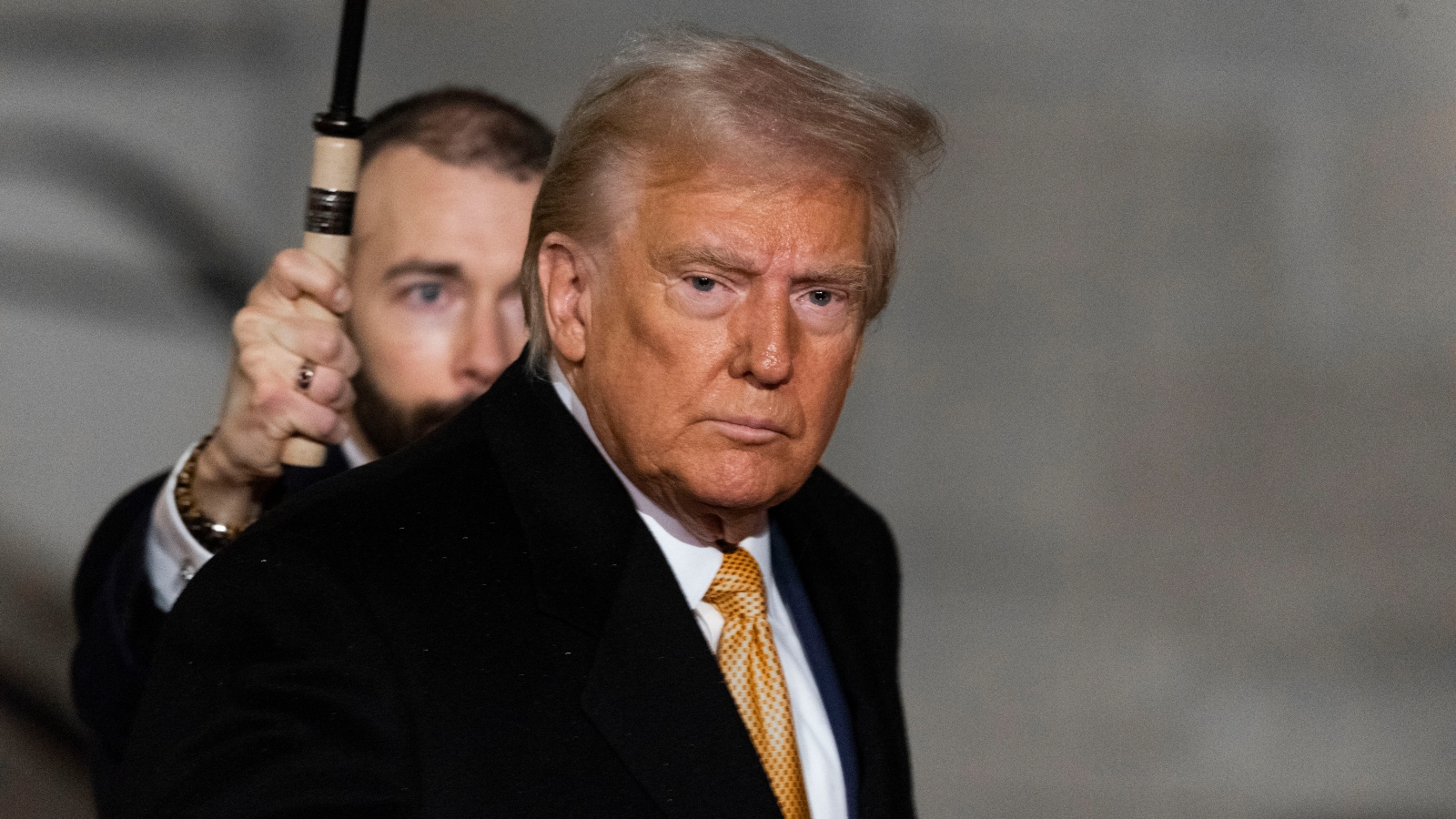
President-elect Donald Trump got some fantastic news before he is even inaugurated as President of the United States.
Gas and oil prices are anticipated to fall in 2025, which would be the third year in a row that they have done so, though Trump made bolstering fossile fuel exploration and energy production a huge part of his successful 2024 campaign.
Experts have predicted that the average price for a gallon of gasoline will be $3.22 in 2025, Just The News reported, but if Trump’s plan goes into effect, prices will likely plunge further.
The annual Gasbuddy’s Fuel Price Outlook predicted that the total U.S. gasoline spending will hit $410.8 billion in 2025, which would mark an 8% decline from the 2024 spending that reached $423.1 billion.
“While declining fuel prices in 2025 will provide welcome relief to American drivers and businesses, emerging risks could lead to increased volatility,” GasBuddy’s head of petroleum analysis, Patrick De Haan, said.
“Geopolitical uncertainties, potential disruptions from extreme weather, and policy shifts under the new administration could create challenges for fuel markets. Despite this, expanding global refining capacity and moderating demand are expected to support lower prices for most of the year,” he said.
The report warned that the analysis was only a prediction and that a change in the administration could render the forecast incorrect.
“Note that this outlook speculates potential impacts of production, supply and demand changes, and a change in leadership in Washington,” the report noted.
“With a new White House administration, uncertainties over policies such as tariffs and geopolitical tensions arise. This uncertainty, as well as the fluid state of the global economy, fiscal policy by central banks to tame inflation, and the timing of interest rate cuts could alter the direction of the economy, shifting fundamentals in significant ways. Fuel markets are complex,” it said.
“This analysis is intended to take current factors and speculate on how events may impact gasoline prices in the future. GasBuddy works to make these forecasts as reliable as possible and to be understood by anyone with little to no background in oil and petroleum markets or economics,” it said.
“The transition to a new U.S. president can bring policy shifts, but their direct influence on oil markets is often overstated. U.S. oil companies primarily follow market economics, such as global supply-demand balances and profit potential, rather than presidential directives. Policies emphasizing renewable energy or stricter environmental regulations may affect long-term investment trends but have limited short-term impact on domestic oil production. For example, while President Biden’s administration has prioritized climate initiatives, U.S. oil production has remained resilient due to favorable market conditions,” the report said.
It did warn that the tariff policies o=of the president-elect could change the price of oil and gas.
“President-elect Trump’s potential tariffs on Canada and Mexico could disrupt critical supply chains and create significant economic consequences if implemented. Similarly, decisions to release oil from or replace oil to the Strategic Petroleum Reserve (SPR) may provide only temporary relief, as the SPR has a finite capacity, and its impact on global prices fades over time. OPEC policies, rather than U.S. presidential actions, typically wield greater influence on oil and gas prices. While presidential diplomacy with OPEC could be a factor in future policy considerations, OPEC ultimately prioritizes its own interests over those of the U.S.,” the report said.
“President-elect Donald Trump’s return to the White House brings a fresh wave of uncertainty to energy markets. His campaign promises to scale back environmental regulations and promote domestic fossil fuel production could accelerate drilling and oil output. At the same time, potential shifts in foreign policy—such as his expressed skepticism of NATO and confrontational rhetoric toward allies and trade partners—introduce risks of destabilizing global markets. A fracturing of relations within NATO or strained ties with key trading partners such as Canada or Mexico could disrupt crude and refined product trade flows, heightening price volatility,” the report said.
This article may contain commentary which reflects the author's opinion.
