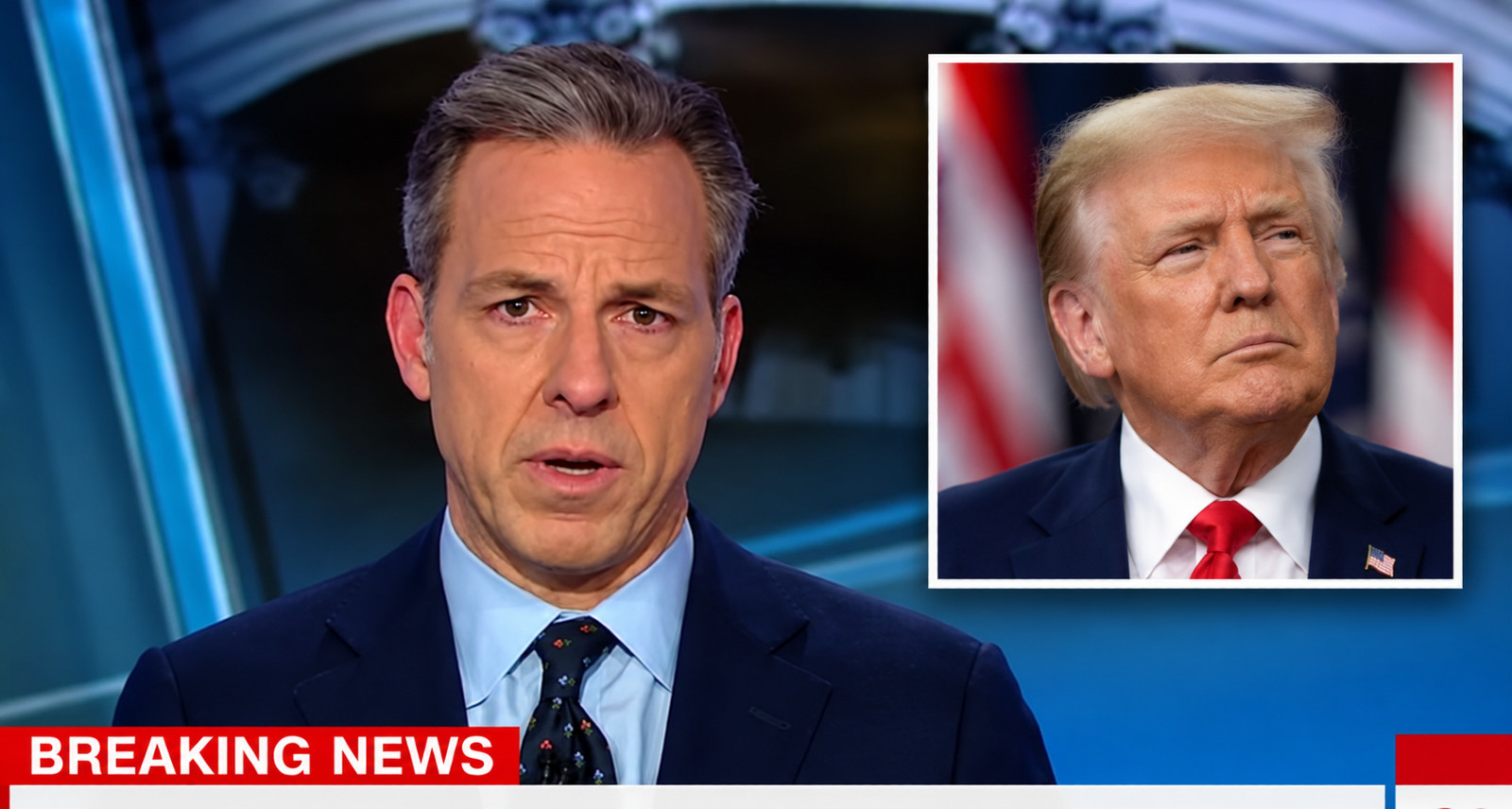
A former defense secretary is sounding a note of caution ahead of a potential retaliatory attack on Iran by the United States following the discovery of a terrorist plot to attack U.S. and British assets on an airbase located in the United Kingdom.
Leon Panetta, who served as secretary of defense from 2011 to 2013 under President Barack Obama, told CNN on Thursday he would like to see more evidence that Tehran was actually involved in the plot before President Trump launches any new attacks against the country, ostensibly as punishment for faciliating the plot.
“The British prime minister now says there are, in his words, strong indications Iran was, in fact, involved in this alleged plot to target a U.K. air base — this is a separate incident — that is used by the United States,” host Wolf Blitzer said to begin the segment.
“Iran is denying that. But you’re a former defense secretary. Should the U.S. take action if Iran’s involvement in this other case proves to be true?” Blitzer asked.
“Well, again, I’m a believer that you’ve got to determine the facts,” Panetta, 88, began. “You have to determine what the truth is.
“And at this point in the game, there’s always a great deal of speculation on all sides as to what took place, particularly when the world is confronting terrorism in the Middle East and the United States and Israel are at war with Iran,” Panetta continued.
It’s not clear if he, as a former CIA director under Obama, still has access to classified information, especially regarding this alleged plot.
“A lot of conclusions can be jumped to. But prior to any kind of military action, I think it is incredibly important that intelligence, particularly from the CIA and Mossad and the other intelligence agencies that are involved, be able to substantiate the facts as to who was involved, what was the intent, and whether or not this is a terrorist act, whether or not the events that took place in Britain were, in fact, a terrorist act,” he said.
“For Britain to indicate that there’s some intelligence to that effect, that’s important. But, again, I would want the CIA to take a very close look at that intelligence before justifying any kind of military action,” Panetta said.
“You speak as a former CIA director,” Blitzer clarified.
WATCH:
On Thursday, Secretary of State Marco Rubio ordered Iran’s foreign minister and his delegation to leave New York following the United Nations General Assembly. U.S. officials stated that the group had “overstayed their welcome.”
This unusual diplomatic rebuke came after indirect negotiations between Washington and Tehran failed to yield a breakthrough regarding the ongoing conflict, the reopening of the Strait of Hormuz, and the possibility of resuming talks about Iran’s nuclear program.
🚨🇺🇸🇮🇷 Washington just showed Iran’s foreign minister the door: Rubio ordered the delegation out of New York after talks stalled
The US mission told Iran’s team Monday evening that Abbas Araghchi and his delegation had to leave immediately, and they boarded a 1:20 a.m. flight to… pic.twitter.com/OB8f580bmY
— Mario Nawfal (@MarioNawfal) October 1, 2026
Iran disputes the U.S. account, asserting that its delegation was not expelled and left according to a previously established schedule. Iranian Foreign Minister Abbas Araghchi remained in New York after Iranian President Masoud Pezeshkian departed following his appearance at the U.N. General Assembly. Araghchi stayed behind as Qatar attempted to mediate between the United States and Iran.
The Trump administration issued visas to Pezeshkian, Araghchi, and their delegation members, despite ongoing tensions between Washington and Tehran. However, these visas came with significant restrictions on where the Iranian officials could travel while in New York.
The State Department said before the General Assembly that allowing Iran’s core delegation to attend aligned with America’s obligations as the host country for the United Nations.
By Monday, however, U.S. officials expressed frustration over the lack of progress in negotiations.
This article may contain commentary which reflects the author's opinion.
