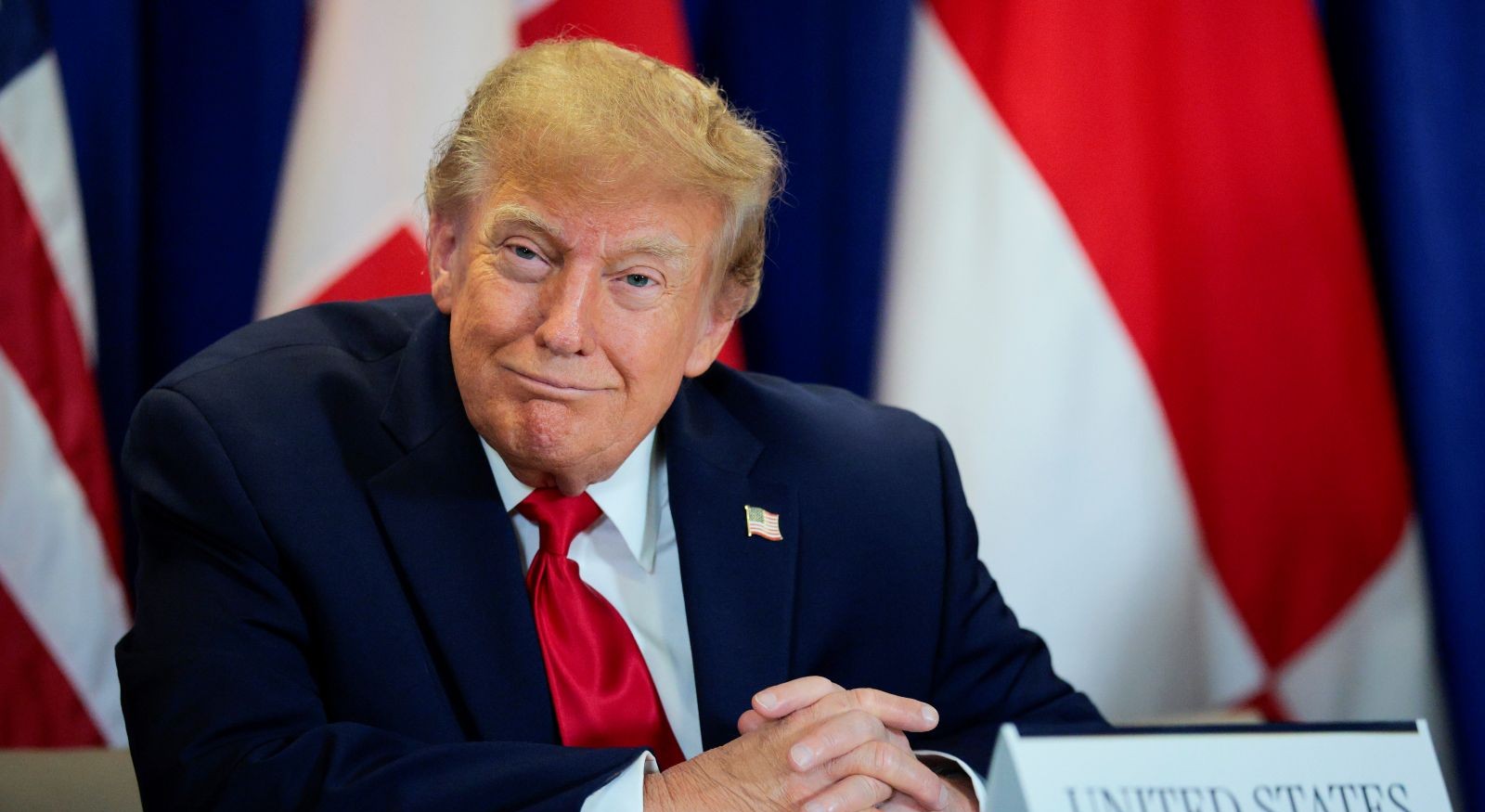
The White House launched a new round-the-clock streaming service Monday called “TRUMP TV,” giving President Donald Trump’s administration another platform to distribute speeches, announcements, and other official content directly to the public.
The online channel, formally titled “TRUMP TV: The Essentials Station,” is available through the White House’s YouTube account and official website.
The administration says it will operate 24 hours a day and feature a continuously updated collection of videos highlighting Trump and his administration.
“TRUMP TV IS STREAMING NOW. 24/7, updated in real time, with top past moments, announcements, and the latest and greatest from the administration all in one place,” the White House said in announcing the project.
The administration added that not every significant moment from Trump’s presidency has received television coverage and said the new service would provide viewers with another way to watch those events.
Unlike a traditional television network, Trump TV is a government-operated digital stream. Its programming consists of content selected and distributed by the White House rather than independently produced news coverage.
The channel’s inaugural programming included Trump’s July 3 speech at Mount Rushmore. The stream began at 7 p.m. Monday and was promoted as a destination for “top videos, major remarks, and must-see highlights.”
The launch comes during an escalating dispute between the Trump administration and several major news organizations over access to the White House.
Trump announced Friday that reporters from CNN, Politico and MS NOW would no longer be permitted inside the White House, accusing the organizations of repeatedly producing what he described as “fake news” and unfair coverage of his presidency.
Reporters representing all three organizations were denied access to the White House grounds beginning Saturday.
CNN, Politico, and MS NOW responded Monday by filing a federal lawsuit challenging the administration’s action.
IT’S LIVE. 📺🦅
TRUMP TV IS STREAMING NOW. 24/7, updated in real time, with top past moments, announcements, and the latest and greatest from the administration all in one place.
Not every big moment has made it on your tv, now it can.
📲 https://t.co/3KwWkBZ69m pic.twitter.com/g4v7n2J04s
— The White House (@WhiteHouse) September 21, 2026
The organizations argue that excluding them because of their reporting violates the First Amendment and that the revocation of their access also violated their Fifth Amendment due-process rights.
The lawsuit asks a federal judge to restore their White House access and prevent the administration from excluding news organizations based on their coverage.
The dispute quickly expanded beyond the three organizations.
CNN had been scheduled to provide television pool coverage of Trump on Monday. After the White House prevented the network from performing that role, the other members of the five-network television pool — ABC, CBS, Fox News and NBC — declined to replace CNN.
The networks announced that they would temporarily stop providing television pool coverage of presidential events.
The White House press pool allows a limited number of journalists to cover events where space prevents the entire press corps from attending. Pool reporters, photographers and television crews then share their material with other news organizations.
The television pool’s decision could substantially reduce independently produced video of presidential events, particularly when news organizations cannot send their own camera crews. White House-produced video remains available, but unlike pool footage, it is controlled by the administration.
Trump defended his decision during a news conference in New York on Monday.
“It’s just biased news,” Trump said, arguing that some news organizations have failed to adequately cover what he considers his administration’s accomplishments.
“I think that these outlets have an obligation to be fair, and if they’re fake news, I really think I have an obligation not to allow them,” Trump said.
Vice President JD Vance also defended the administration’s position, arguing that Trump was not preventing the organizations from publishing stories but was instead denying them special access to the White House.
“He’s not banning media outlets,” Vance told reporters Monday. “What he’s doing is saying we’re not going to give you special access to the White House if you engage in what is effectively propaganda.”
The affected organizations and other media groups reject that distinction, arguing that the government cannot selectively exclude journalists because officials dislike their reporting.
This article may contain commentary which reflects the author's opinion.
