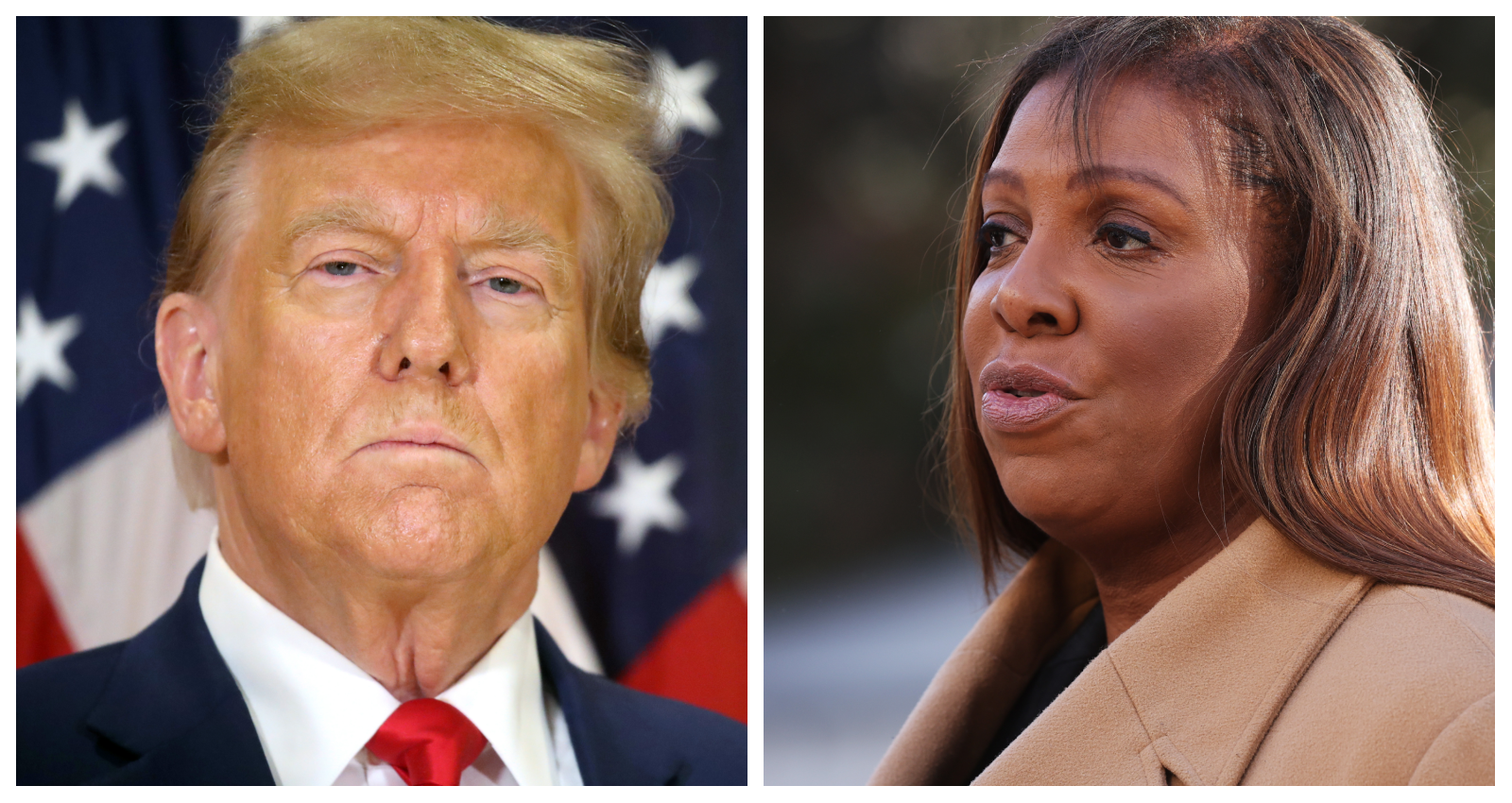
A federal judge has dismissed New York Attorney General Letitia James’ multistate lawsuit challenging DOGE-linked access to sensitive Treasury Department payment systems, ruling that the central claims are now moot because the Treasury DOGE team has been disbanded.
U.S. District Judge Jeannette Vargas of the Southern District of New York dismissed the case Wednesday, bringing an end — at least at the district court level — to a legal battle that began during the opening weeks of President Donald Trump’s second term.
James, a Democrat, led a coalition of 19 states that sued the Trump administration in February 2025 after Treasury officials granted DOGE-affiliated personnel access to systems operated by the Bureau of the Fiscal Service.
Those systems process trillions of dollars in federal payments and contain sensitive financial and personal information.
The states argued that allowing DOGE personnel into the systems without sufficient safeguards threatened the security of confidential information and potentially gave the administration a mechanism to interfere with federal payments approved by Congress.
Vargas initially imposed restrictions on that access while the lawsuit proceeded.
But circumstances changed substantially during the following 19 months.
The Trump executive order establishing the U.S. DOGE Service Temporary Organization set July 4, 2026, as its termination date.
The Treasury Department’s DOGE team subsequently disbanded, and according to the government, no DOGE-affiliated employees continue to have the type of access challenged by James and the other states.
That development proved decisive. “The plaintiffs’ claims related to access by DOGE-affiliated employees to sensitive Treasury information are dismissed as moot,” Vargas wrote.
The judge concluded there was no longer an ongoing Treasury DOGE access policy for the court to block.
Her decision is based primarily on the legal doctrine of mootness, which generally prevents federal courts from deciding disputes when the underlying controversy has ended and there is no longer effective relief for a judge to provide.
The decision nevertheless gives the Trump administration a significant procedural victory in one of the earliest and most closely watched lawsuits challenging DOGE’s activities.
Vargas also dismissed the states’ remaining claims concerning Treasury’s use of an automated payment-review system, finding that the attorneys general had not sufficiently alleged that the process had actually frozen or canceled a particular federal payment owed to their states.
“For the reasons stated herein, the Court dismisses the Access Claims as moot,” Vargas wrote. “The Court grants the Government’s motion to dismiss the remaining claims.”
She directed the clerk to close the case.
The lawsuit originated during the rapid expansion of DOGE’s work throughout the federal government early in Trump’s second administration.
Trump created the DOGE initiative to identify waste, fraud and unnecessary government spending and directed federal departments to assemble teams tasked with reviewing their operations.
Elon Musk played a prominent role in DOGE’s early activities.
James and the other Democratic attorneys general sued after DOGE-linked Treasury employees were given access to Bureau of the Fiscal Service systems.
The coalition alleged that the administration had unlawfully provided Musk and DOGE personnel access to sensitive information including Social Security numbers, bank-account information and other personal data.
The states also expressed concern that DOGE personnel could potentially interfere with payments for programs including Medicaid, education, health care and other federally funded services.
The Trump administration disputed those allegations and maintained that Treasury personnel working with DOGE needed access to federal systems to identify fraud, improper payments and waste.
The litigation produced significant restrictions on DOGE’s Treasury activities.
In February 2025, Vargas granted the states a preliminary injunction limiting access to the payment systems.
The court later modified those restrictions to permit access by certain personnel who satisfied requirements involving background checks, training, hiring procedures, reporting and data-security protections.
The case continued as DOGE’s organizational structure and personnel changed.
By the time the administration sought dismissal, Treasury argued that the lawsuit was effectively challenging a situation that no longer existed.
Vargas ultimately agreed.
This article may contain commentary which reflects the author's opinion.
