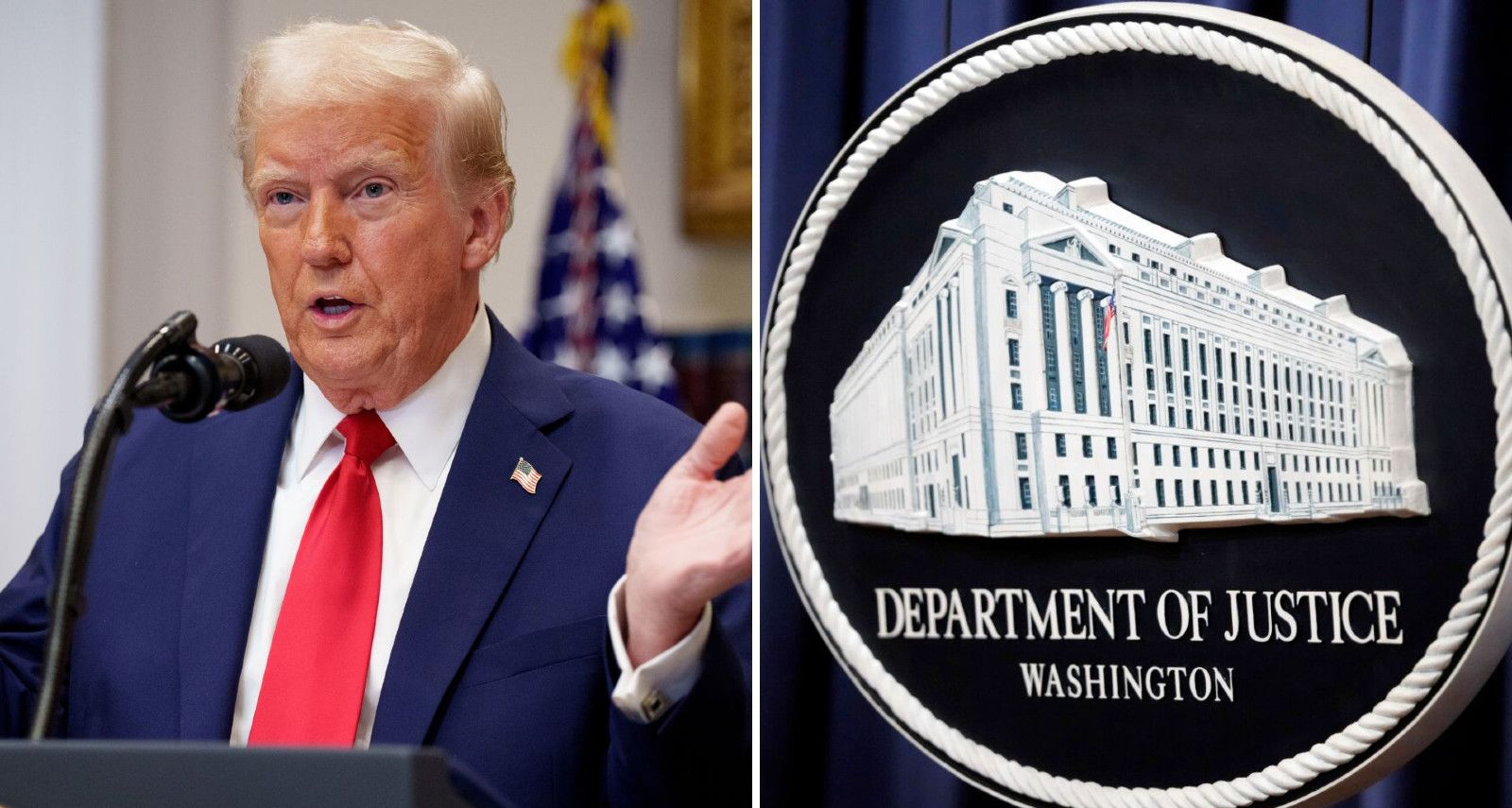
A newly announced federal indictment against the Southern Poverty Law Center is drawing national attention and could have far-reaching implications for how extremist groups are monitored, funded, and investigated in the United States.
According to statements from Acting Attorney General Todd Blanche and FBI Director Kash Patel, a federal grand jury in the Middle District of Alabama has returned an indictment charging the organization with multiple criminal counts, including wire fraud, false statements, and conspiracy to commit money laundering.
Federal officials allege that the SPLC funneled more than $3 million in funds to individuals associated with extremist organizations over a period spanning roughly 2014 to 2023. Prosecutors say the money was routed through various channels, including accounts allegedly established under fictitious entities, in order to obscure the source and purpose of the funds.
The indictment claims that recipients included individuals linked to groups such as the Ku Klux Klan and other white nationalist organizations. According to officials, the SPLC has said internally that some of these payments were tied to informants or sources embedded within extremist networks.
However, federal authorities contend that the activity went beyond standard investigative practices. “The SPLC was not dismantling these groups,” Blanche said at a press conference. “It was instead manufacturing the extremism it purports to oppose.”
🚨 BREAKING: Acting AG Blanche and FBI Director Patel announce a grand jury has INDICTED leftist NGO Southern Poverty Law Center on 11 COUNTS
This is MASSIVE!
SPLC said they were “fighting white supremacy,” but they were “MANUFACTURING the extremism it purports to expose” by… pic.twitter.com/WtyvBUuwrW
— Nick Sortor (@nicksortor) April 21, 2026
Patel echoed that assessment, alleging that the organization misrepresented its activities to donors. “They lied to their donors… and actually turned around and paid the leaders of these very extremist groups,” he said, adding that the investigation is ongoing.
The SPLC has not yet publicly responded in detail to the indictment. Historically, the organization has defended its use of confidential sources as part of broader efforts to track and expose extremist activity.
Beyond the specific allegations, the indictment is also bringing renewed scrutiny to the SPLC’s broader role in public discourse. The organization has long been influential in tracking and publishing data on extremist groups, and its reports have been widely cited by media outlets, policymakers, and government agencies.
At the same time, critics across the political spectrum have, for years, raised concerns about the SPLC’s methodology and conclusions. Some have argued that its classifications of “extremist” groups are overly broad or politically skewed, while others have questioned whether its reporting fully captures the scope of political violence in the United States.
In some cases, federal agencies—including the Federal Bureau of Investigation—have referenced SPLC data in training materials or analytical frameworks, adding to the organization’s influence. That relationship has also been a point of debate, particularly among lawmakers and analysts who have called for more transparency around how such information is used.
The current indictment may intensify those debates, especially if the allegations are substantiated in court. Legal experts note that the charges—particularly those involving fraud and money laundering—would require prosecutors to demonstrate intent, knowledge, and specific unlawful conduct, all of which will likely be contested.
Another key element of the case involves claims that individuals connected to the SPLC may have participated in or facilitated activities tied to extremist events, including online communications and logistical coordination. Prosecutors allege that at least one source linked to the organization was involved in planning discussions related to the 2017 “Unite the Right” rally in Charlottesville.
Those allegations, if proven, could significantly expand the scope of the case beyond financial misconduct into questions of operational conduct and oversight.
For now, the indictment represents the beginning of what could be a lengthy legal process. The case will proceed through the federal court system, where the SPLC will have the opportunity to respond to the charges and present its defense.
As the situation develops, the outcome could have broader implications not only for the SPLC but also for other organizations engaged in monitoring extremism, as well as for the standards governing the use of informants and donor-funded investigative work.
This article may contain commentary which reflects the author's opinion.
