Several House and Senate races remain toss-ups just weeks ahead of the Nov. 3 midterm elections, even as early voting has begun in some states.
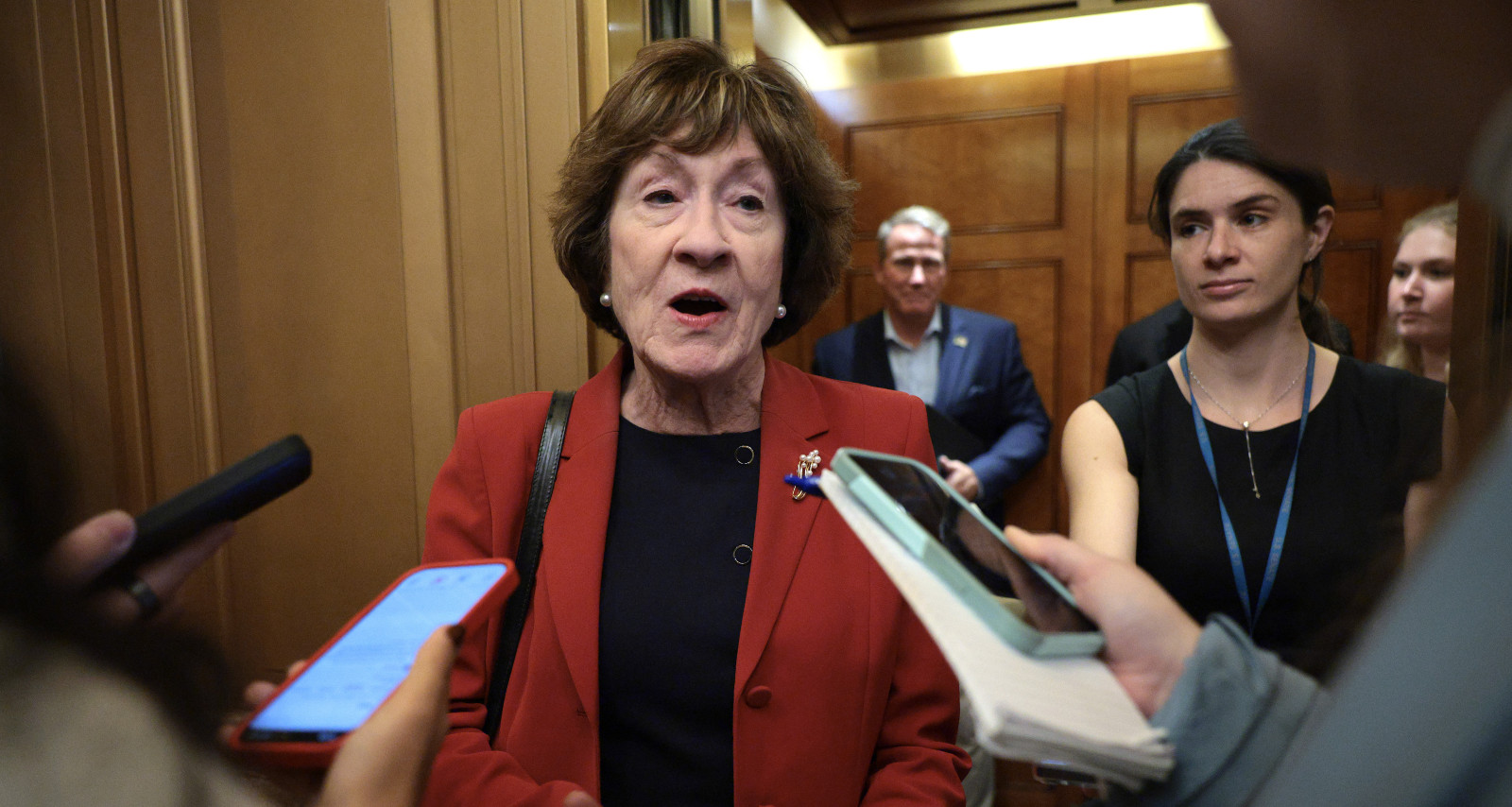
Republican Sen. Susan Collins holds a narrow lead over Democratic challenger Troy Jackson in Maine’s closely watched Senate race, even as a majority of voters in the state say they would prefer Democrats to control the Senate after November’s midterm elections.
Collins leads Jackson 49% to 46% among likely voters, according to a new New York Times/Siena University poll conducted Sept. 15-22.
Five percent of voters remain undecided.
The three-point difference falls within the survey’s 4.9-percentage-point margin of sampling error, meaning the poll does not establish a statistically clear leader.
The survey included 619 likely voters in Maine.
Early voting begins Oct. 5, giving both campaigns little time to persuade the remaining undecided voters before Mainers begin casting ballots.
The results highlight an unusual dynamic in the race.
While Collins leads the individual Senate contest, 55% of voters said they want Democrats to control the Senate after the midterm elections. Forty-three percent said they prefer Republican control.
That suggests Collins is drawing support from some voters who otherwise prefer Democratic leadership in Washington.
Collins, who has served in the Senate since 1997, has long cultivated a reputation as a Republican willing to break with her party on certain issues.
The poll shows one of her largest advantages comes from white voters without college degrees, an important voting bloc in Maine.
Collins leads Jackson 62% to 32% among those voters.
Jackson’s own biography would seemingly give him an opening with working-class voters.
The former Maine Senate president grew up in the northern Maine town of Allagash and spent years working in the logging industry before entering politics.
He has repeatedly emphasized his working-class background during the campaign.
The Siena survey, however, shows Collins maintaining a substantial advantage with that portion of the electorate.
Collins also performs strongly when voters are asked about character.
Fifty-one percent said Collins has better character, compared with 38% who selected Jackson.
Those interviews were conducted largely before new reporting emerged concerning a previously undisclosed FBI investigation involving allegations about one of Collins’ senior advisers.
The New York Times reported that the FBI opened an investigation in 2024 into allegations that Steve Abbott, a longtime Collins adviser, had participated in a scheme involving potentially illegal campaign contributions.
According to the Times, federal investigators ultimately closed the inquiry without bringing charges.
Collins’ office has strongly disputed the allegations.
Annie Clark, Collins’ deputy chief of staff, called them “categorically false.”
The reporting therefore describes allegations that were investigated, not criminal wrongdoing established against Collins or her campaign.
Whether the story changes voters’ views of the senator is not reflected in the Siena poll because most interviews were completed before the report became public.
Collins holds another sizable advantage on her ability to deliver federal resources to Maine.
Fifty-nine percent of respondents said Collins would be better at bringing money and resources back to the state, compared with 35% who chose Jackson.
Collins currently chairs the Senate Appropriations Committee, one of the most powerful positions in Congress for determining federal spending.
Jackson performs better on health care, although his advantage is relatively small considering voters’ views on one of his signature proposals. He supports Medicare for All, which is government-run healthcare that has not worked out well in other Western countries that have it.
Sixty percent of voters said they would prefer a candidate who supports Medicare for All, while 24% preferred a candidate who opposes the proposal.
The two candidates are also effectively even on another emerging issue in Maine: artificial intelligence data centers.
Forty-one percent said Jackson would better handle issues involving data centers, compared with 39% who preferred Collins.
The more striking result involved the facilities themselves.
Sixty-six percent of Maine voters said they oppose construction of AI data centers in the state, indicating that the issue could become increasingly important during the closing weeks of the campaign.
This article may contain commentary which reflects the author's opinion.
