A new survey has put a long political streak in jeopardy just weeks before voters choose their next governor.
The apparent lead is narrow, but frustration with state leadership may be the larger warning sign.
In Oregon, Republican gubernatorial candidate Christine Drazan narrowly leads incumbent Democratic Governor Tina Kotek in a rematch of their 2022 race.
A poll commissioned by Oregon Public Broadcasting places Drazan at 47% and Kotek at 46% after undecided voters were pressed.
Pacific Green Party candidate Brett Smith received 3%, while 4% remained undecided after that follow-up question.
The one-point advantage is within the survey’s 3.24-point margin of error, making the race a statistical tie.
Before undecided voters were pressed, Drazan led 46% to 44%, with Smith at 3% and 8% undecided.
DHM Research surveyed 915 likely voters between September 17 and 27 by telephone and text-linked online forms.
The election is scheduled for November 3, leaving the campaigns little time to move a close electorate.
A Drazan victory would make her Oregon’s first Republican governor since Victor Atiyeh won reelection in 1982.
Atiyeh served from 1979 to 1987, and Democrats have held the governor’s office since his departure.
The significance reaches beyond one office in a state that has voted reliably Democratic in presidential elections.
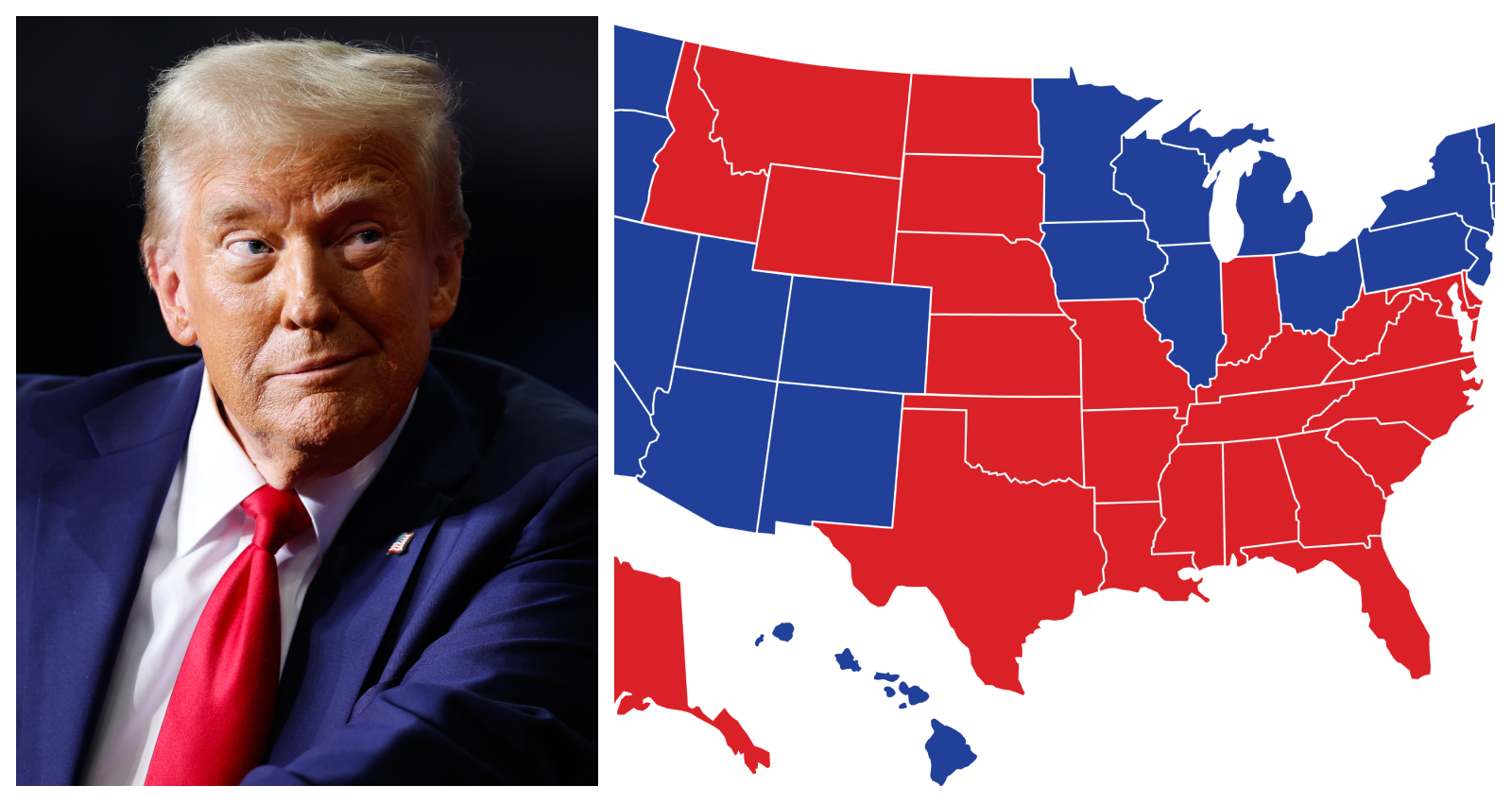
No Republican presidential nominee has carried Oregon since Ronald Reagan in 1984.
Kamala Harris beat Donald Trump there 55% to 41% in 2024, according to the report.
That history explains why a tied governor’s race commands attention even amid a difficult national environment for Republicans.
It also means a narrow poll lead should not be treated as a forecast of victory.
Oregon Republicans have seen that danger before in this very matchup.
Drazan led some polls late in 2022, but Kotek won the three-way contest by roughly three and a half points.
That race included conservative Democrat Betsy Johnson, who is absent from this year’s ballot.
The current rematch gives voters a different contest without Johnson in the field.
The new survey also shows widespread dissatisfaction with where the state is headed.
Only 29% of likely voters said Oregon was moving in the right direction, while 58% said it was not.
Nearly three in four respondents rated the state’s economy poorly, according to the report.
When asked for Oregon’s most important problem, voters most often named cost of living, high taxes, and homelessness.
Poor leadership also drew responses, putting questions of accountability alongside household finances.
Those concerns are central to Drazan’s critique of Kotek’s record on schools, housing, homelessness, and the economy.
Kotek has focused heavily on linking Drazan to Trump and his policies.
The poll found Kotek viewed favorably by 38% of likely voters, just above Trump’s 37%.
Drazan’s favorability stood at 45%, while an equal share viewed her unfavorably.
The results suggest neither major candidate can assume broad approval beyond a committed base.
In the Portland metro area, Kotek drew 54% support, below the roughly 61% she won there in 2022.
Drazan reached 40% in that region and led elsewhere in the state, according to OPB’s breakdown.
Those numbers make the metropolitan vote particularly consequential to the governor’s reelection effort.
A campaign consultant for Drazan said voters were frustrated with Kotek and interested in the Republican’s policy proposals.
Kotek’s campaign countered that Drazan would open the door to Trump’s agenda and federal policies it opposes.
Their competing messages show how the race pits the governor’s state record against national partisan concerns.
The survey found 44% preferred a conservative governor on economic issues, compared with 32% favoring a liberal governor.
On social issues, 42% preferred a liberal approach and 37% preferred a conservative one.
Those differences help explain why either candidate can find voters receptive to parts of their message, Newsweek reported.
Polling has been limited, and recent small Republican leads have also fallen within margins of error.
This article may contain commentary which reflects the author's opinion.
