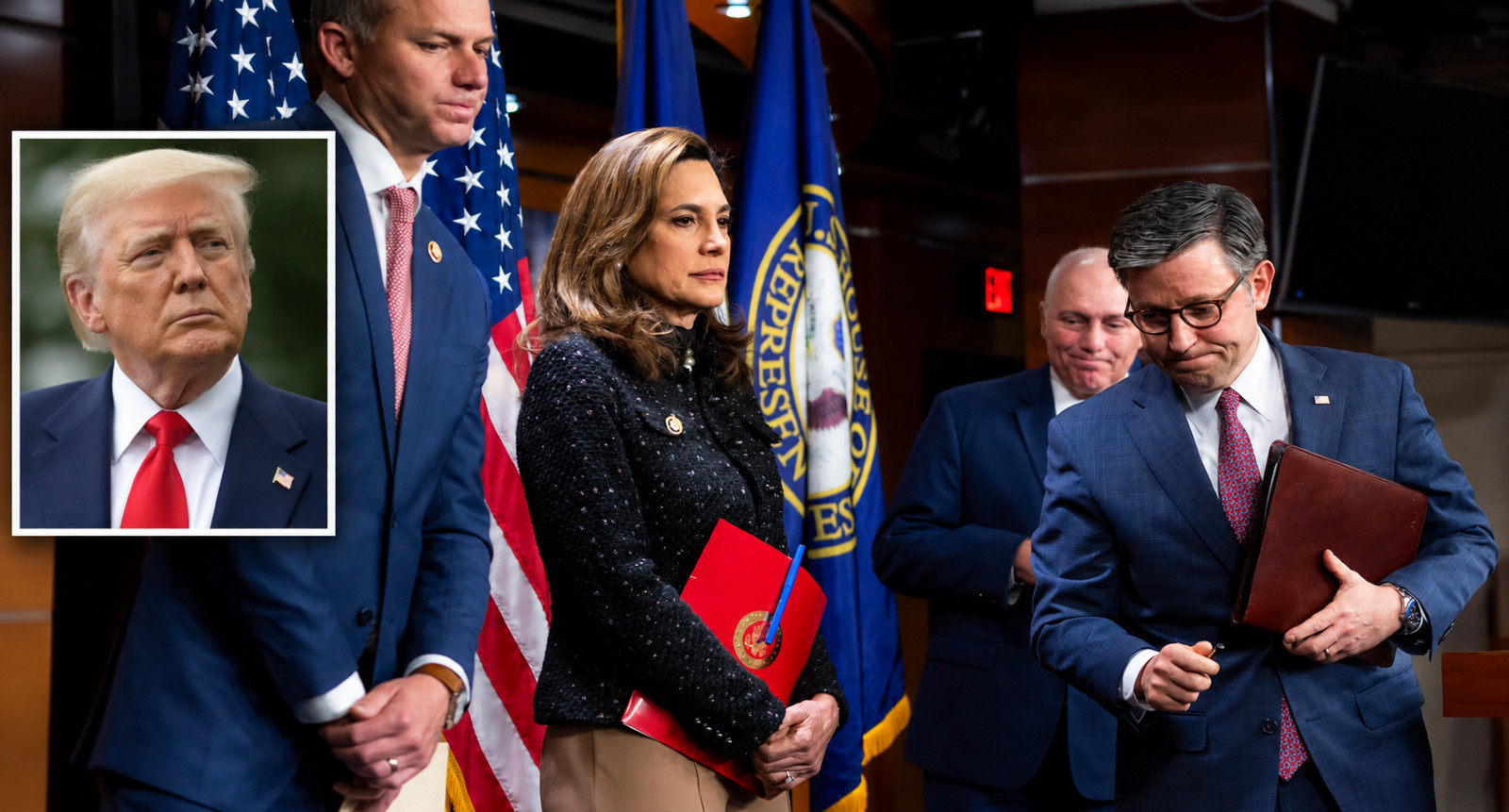
President Donald Trump has publicly rejected a Republican ally’s immigration proposal despite her praise and his previous support.
The clash sends a warning to GOP lawmakers considering a push to legalize millions of migrants.
The Republican is Florida Rep. Maria Elvira Salazar, sponsor of the immigration proposal called the Dignity Act.
Trump used Truth Social to amplify criticism of Salazar and signal opposition to the legislation she is promoting.
The bill would provide legal status to millions of migrants while creating pathways for workers to enter legally.
Supporters describe the plan as a compromise combining enforcement, economic needs and legal certainty for longtime residents.
Conservative critics call it amnesty and argue employers would gain a new supply of lower-cost labor.
Estimates cited by critics say the legislation could legalize or import approximately 17 million people.
Salazar denies that her proposal amounts to amnesty and instead calls it a path toward a “dignified life.”
She has sought support through a discharge petition that could force the House to vote on the measure.
The petition strategy would bypass leadership if enough lawmakers sign it and bring the legislation directly to the floor.
Critics warn that supporters could pursue a vote during the lame-duck session following November’s midterm elections.
That timing could allow retiring lawmakers to support legalization without facing voters in another campaign.
Trump’s posts appeared designed to discourage additional Republicans from joining Salazar’s effort before it gains momentum.
The president also rejected the flattering comparisons Salazar offered while urging him to reconsider his immigration enforcement approach.
In a campaign video, Salazar said some of Trump’s immigration policies had “gone too far.”
She claimed that half of approximately 50,000 migrants detained during July had no criminal record.
Salazar warned Trump that Hispanic voters who helped return him to the White House felt betrayed.
“You can be for immigration what Lincoln was for slavery and Reagan was for communism,” Salazar told Trump.
She insisted she was not seeking amnesty while asking the president to provide migrants a dignified life.
“I’m talking about giving them a dignified life in this promised land, and only you can do that,” she said.
Trump was unmoved by the praise and instead highlighted messages opposing Salazar and her bill.
His response reflects the immigration enforcement mandate he says voters delivered during the 2024 presidential election.
Trump campaigned on stronger borders and mass deportations after years of record illegal immigration under former President Joe Biden.
Salazar represents a heavily Hispanic South Florida district where immigration politics can create competing pressures for Republican lawmakers.
She won her August primary with 81 percent of the vote after receiving Trump’s endorsement.
Their public break demonstrates that Trump’s endorsement does not guarantee agreement on one of his signature issues.
Salazar’s effort has attracted support from business groups seeking workers and from lawmakers in both parties.
Republican Rep. Don Bacon of Nebraska is among the GOP members identified as supporting the proposal.
Democrats favoring legalization have also provided backing, creating a coalition that could challenge Republican leadership.
Opponents argue the coalition prioritizes employers and migrants over American workers, taxpayers and lawful residents.
They contend sudden legal status for millions would affect wages, public services, housing and future immigration incentives.
Supporters counter that legalization would bring workers into the formal economy and create an orderly system.
The dispute therefore combines economic interests, border enforcement, party loyalty and the political future of immigration reform.
Trump’s intervention puts Republican supporters on notice that signing the petition could trigger opposition from the president.
That threat matters in a party where Trump’s endorsement remains powerful during primaries and leadership fights.
The White House has not announced negotiations with Salazar or offered support for a revised version, Breitbart News reported.
However, Trump controls the Republican movement’s most influential megaphone and can make support politically expensive.
This article may contain commentary which reflects the author's opinion.
