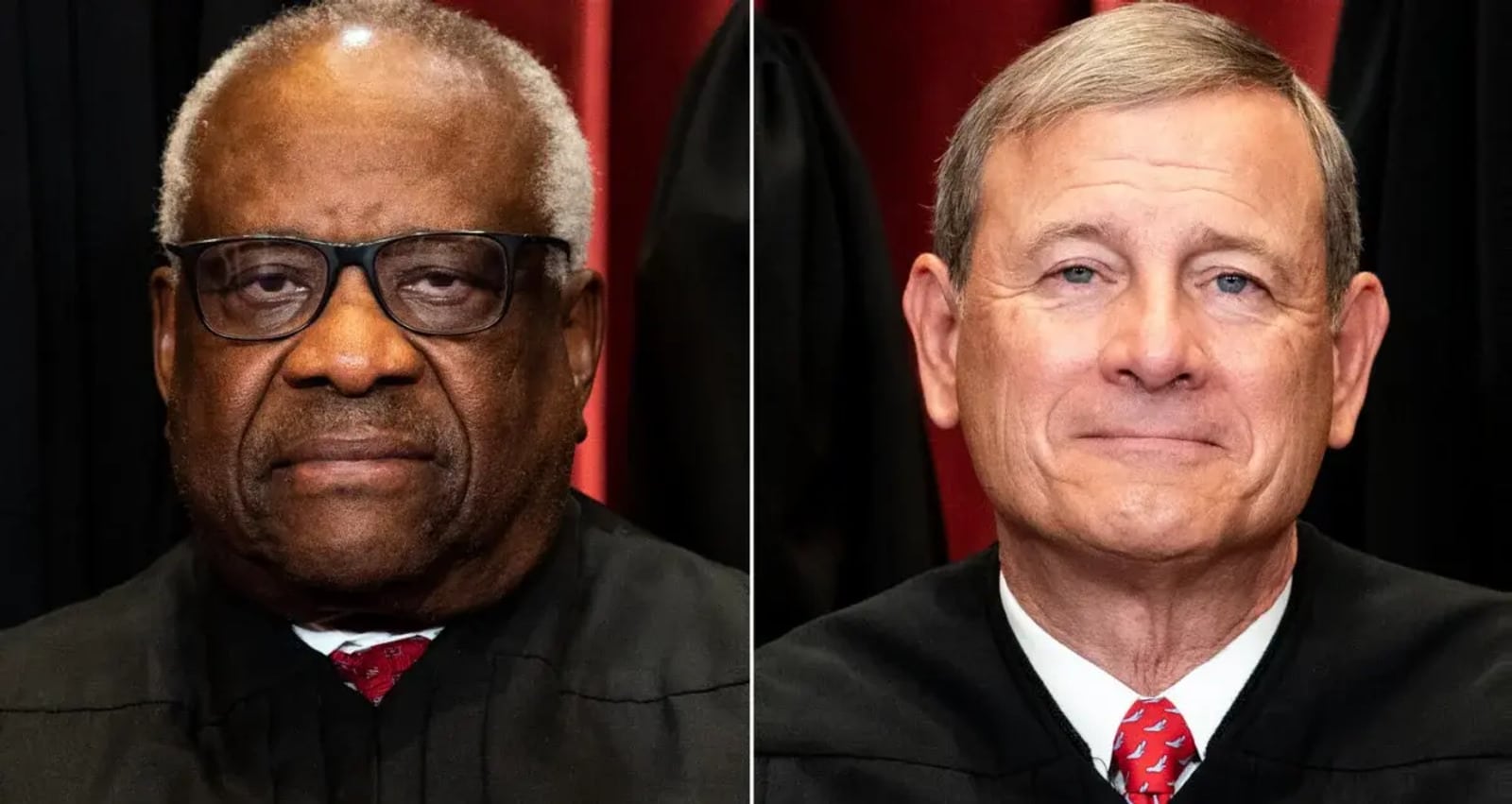
The U.S. Supreme Court ruled this week that when authorities seize cars and other property used in drug crimes, even when the property belongs to so-called innocent owners, they are not required to hold a prompt hearing.
The justices voted 6-3 to reject the claims of two Alabama women who had to wait more than a year for the return of their cars. The case stemmed from instances in which police pulled over vehicles and seized them after discovering drugs.
Authorities can seize property through civil forfeiture without needing to prove its illegal use. Opponents call the practice “legalized theft.”
For the conservative majority, Justice Brett Kavanaugh wrote that a civil forfeiture hearing to ascertain if an owner will lose the property permanently must take place on time. However, he added, the Constitution does not also call for a different hearing to determine whether police may temporarily retain cars or other property.
Justice Sonia Sotomayor wrote in a dissent for the liberal members of the court that since police departments frequently have a financial incentive to retain the property, civil forfeiture is “vulnerable to abuse.”
“In short, law enforcement can seize cars, hold them indefinitely, and then rely on an owner’s lack of resources to forfeit those cars to fund agency budgets, all without any initial check by a judge as to whether there is a basis to hold the car in the first place,” Sotomayor wrote.
Halima Culley and Lena Sutton filed federal lawsuits, claiming they were entitled to a speedy court hearing that would have led to the cars being returned to them far sooner. Nothing in the report indicated that either woman was aware of or engaged in the illicit activity.
Sutton had given her friend a loaner car. When they detained him for trafficking methamphetamine, Leesburg, Alabama, police took it.
During the 14 months that Sutton was without a car, her attorneys stated in court documents, she was unable to find work, pay her bills, or attend her mental health appointments.
Culley had given her son a car to drive to college. A loaded hangun and marijuana were discovered in the car when Satsuma, Alabama police stopped it. Keeping the car, they charged the son with marijuana possession.
Justice Clarence Thomas joined Justice Neil Gorsuch in a statement that said more fundamental issues regarding the application of civil forfeiture remained unanswered. Gorsuch was a member of Thursday’s majority.
Noting that civil forfeiture has become a “booming business,” Gorsuch wrote the court should use a future case to assess whether the modern practice of civil forfeiture is in line with constitutional guarantees that property may not be taken “without due process of law.”
The Supreme Court made headlines late last week in a separate case.
The U.S. Supreme Court ruled in favor of Chevron on Friday in a case about whether a Louisiana environmental lawsuit can go to federal court.
In Chevron USA Inc. v. Plaquemines Parish, the justices said that the case is covered by the federal officer removal statute, which lets Chevron move the lawsuit from state court to federal court. The justices threw out a lower court’s decision that kept the case in state court and sent it back for more work.
All of the justices agreed that the oil companies should be able to fight the lawsuits in federal court instead of state court.
“Congress has long authorized federal officers and their agents to remove suits brought against them in state court to federal court,” Justice Clarence Thomas wrote.
The case of Chevron USA Inc. v. Plaquemines Parish, La. was about a very specific question: could the oil companies move cases about environmental damage from state court to federal court? But people who are suing over climate change damages, like climate activists and state officials, have been paying close attention to the case because state courts are thought to be more open to these types of lawsuits.
This article may contain commentary which reflects the author's opinion.
