The Supreme Court ruled on Wednesday against GEO Group, a private prison company facing a lawsuit that claims immigration detainees were compelled to work for just $1 a day in Colorado. The unanimous ruling represents a procedural setback for GEO Group, but it is not a final decision.
The company is contesting a lawsuit filed in 2014, which alleges that detainees in Aurora were required to perform unpaid janitorial work and other tasks for minimal pay in order to supplement their inadequate meals.
GEO Group defended its practices, asserting that it should be immune from lawsuits as a government contractor. However, when a judge ruled against this argument, the company requested the Supreme Court’s permission to expedite an appeal of the ruling. The justices declined that request, The Associated Press reported.
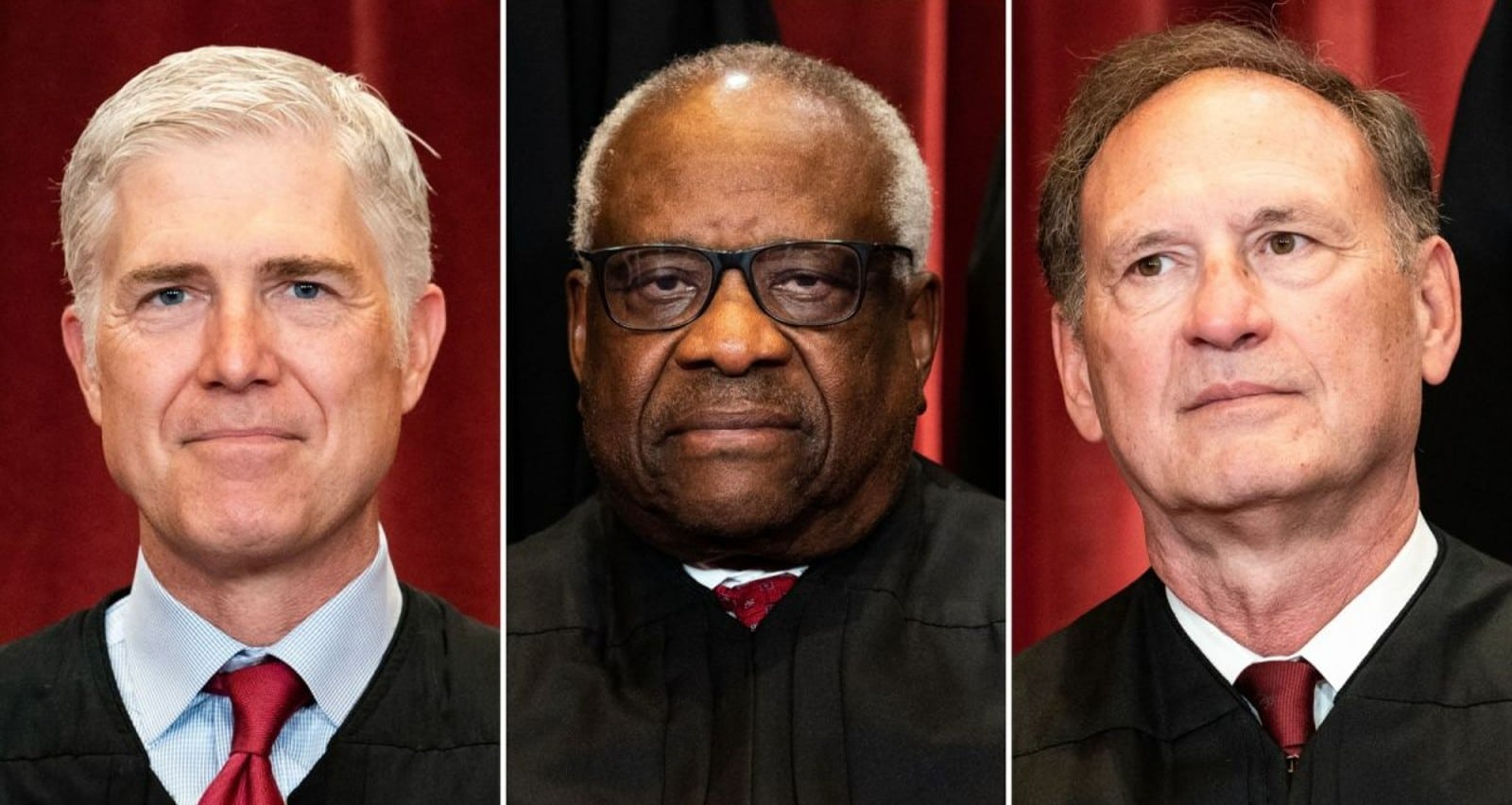
“If eventually found liable, GEO may of course appeal … but GEO must wait until then,” Justice Elena Kagan wrote. All nine justices agreed with the decision, but Justices Clarence Thomas and Samuel Alito had differing views on the reasoning.
A lawyer who argued on behalf of the Colorado detainees applauded the ruling.
“The Supreme Court’s unanimous decision reaffirms a straightforward rule: government contractors like GEO do not qualify for sovereign immunity and must follow the same ‘one case, one appeal’ principle that governs every other litigant,” attorney Jennifer Bennett said, per the AP.
The GEO Group, based in Florida, is one of the leading private detention providers in the United States, managing or owning approximately 77,000 beds across 98 facilities. Among its contracts is a new federal immigration detention center, where Newark, New Jersey, Mayor Ras Baraka was arrested during a protest in May 2025. The charges against the Democrat were later dropped.
Similar lawsuits have been filed on behalf of immigration detainees in other locations, including a case in Washington state, where the company was ordered to pay over $23 million. It’s not clear if that ruling is under appeal.
A federal judge appointed by President Trump, meanwhile, found the Department of Homeland Security (DHS) in civil contempt for violating a court order related to the transportation of a detainee in January.
In a ruling issued on Monday, Minnesota District Court Judge Eric C. Tostrud ordered the federal government to compensate the detainee, identified only as “Fernando T.,” for his return flight to Minnesota, Conservative Brief reported.
Tostrud noted that Fernando, a Mexican citizen, was released from the Texas detention facility in late January without his belongings. He expressed concerns that federal officials have not provided an explanation for withholding Fernando’s belongings at the time of his release.
On January 19, Fernando filed a habeas corpus petition seeking either his release from custody or a bond hearing. The following day, he submitted a request for a temporary restraining order to prevent his transfer while his petition was under review. In response, Tostrud issued an order prohibiting the federal government from moving the detainee. However, the federal government reported that they had transferred Fernando to a facility in El Paso, Texas, on January 22.
According to the ruling on Monday, Judge Tostrud ordered the DHS to ensure Fernando’s return to Minnesota by January 24. However, the federal government stated that the earliest they could return him was January 27, citing potential travel delays due to a major winter storm.
In a letter to the court included in the ruling, the federal government acknowledged that Fernando’s release in Texas did not comply with Tostrud’s order. The lawyer for DHS said he was “deeply remorseful” for the situation and apologized for the violation.
Tostrud wrote in his order that the government’s letter “includes no legal argument, authority, or other response to Fernando’s request for compensatory sanctions.”
Additionally, the federal judge slapped down the department’s explainer about Fernando’s canceled flight due to a winter snowstorm, writing, “these asserted justifications do not support an inability to comply with the January 20 Order.”
This article may contain commentary which reflects the author's opinion.
