President Donald Trump’s ongoing effort to disentangle the United States from controversial international organizations that often work against American interests is proceeding.
The Trump administration imposed new sanctions Friday on the International Criminal Court, escalating a long-running dispute over sovereignty.
The measures aim to cut the Hague-based court off from American financial services, technology providers, and dollar transactions.
Companies doing business with the court have a six-month period to end those relationships, according to the Washington Post.
The administration also threatened penalties for countries that continue dealings with the court.
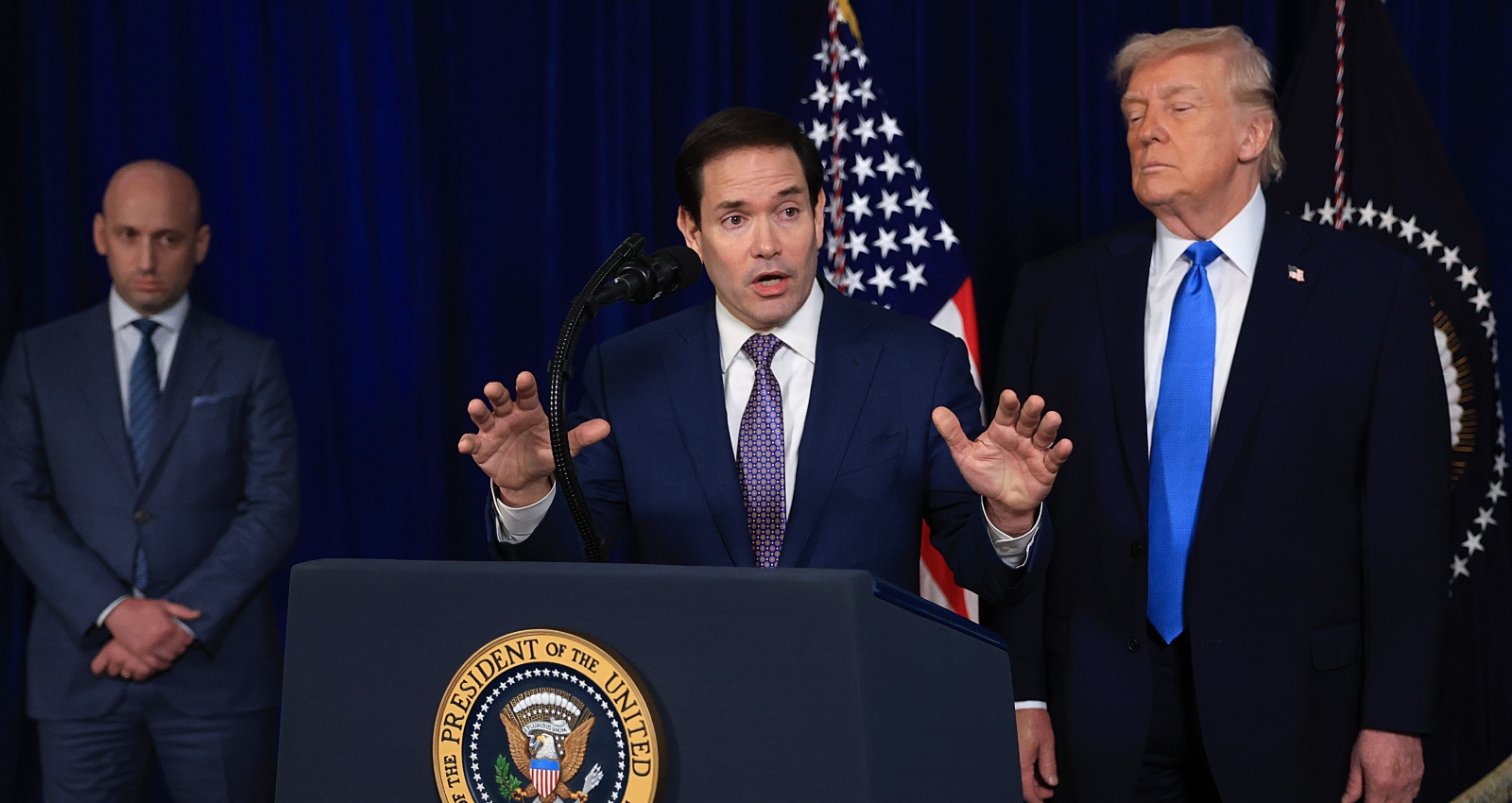
Secretary of State Marco Rubio framed the decision as a defense of American sovereignty.
He said Washington would ban transactions with the court and restrict its ability to operate against the United States.
Rubio described the ICC as a rogue institution and warned it must end what he called threats.
The court rejected the sanctions, saying the measures would disrupt its work and intimidate cooperating personnel.
It characterized the American move as an attack on international law and accountability for grave crimes.
@realDonaldTrump and @SecRubio continue to disentangle America from international organizations that hate us. #MAGA https://t.co/2ueR2zG7Yx
— USA Features Media (@USAFeatures) October 11, 2026
Those opposing accounts reflect a central disagreement about the court’s reach.
The United States and Israel are not members of the ICC, yet its investigations can involve their nationals.
Trump officials argue the court exceeds legitimate authority when it targets countries that have not joined it.
For Americans, the constitutional concern is whether an outside tribunal can assert power over US citizens and officials.
For the ICC, the issue is whether serious allegations should escape international scrutiny because a government rejects its jurisdiction.
The court was established in 2002 to address genocide, war crimes, and crimes against humanity.
Its supporters view it as a backstop when national systems cannot or will not pursue such cases.
The administration has previously sanctioned individuals associated with the court.
In August, it targeted the ICC’s president and a senior trial lawyer.
Friday’s move shifts from named individuals toward restrictions on the institution itself.
That broader approach could affect ordinary operations, including payments, software, and contracts involving American companies.
The exact effects will depend on how the sanctions are implemented over the six-month transition.
Eight US allies issued a joint statement disagreeing with the decision.
Canada, Denmark, Germany, France, Italy, Japan, the Netherlands, and Britain affirmed their support for the court.
They warned that sanctions could affect its work, staff, and families if implemented.
That reaction creates a diplomatic test for Washington because those governments remain close American partners.
The United States can restrict its financial system, but allies may resist pressure on their own institutions.
Foreign banks may also weigh their dealings with the court against their access to American business.
The court said it would continue pursuing its mission despite the American action.
Amnesty International called on governments to resist the restrictions and protect the ICC.
Supporters of the sanctions counter that sovereignty matters most when unelected institutions claim authority across national boundaries.
The competing principles have practical consequences for service members, officials, and citizens who could face international investigations.
They also matter to victims who look to the court when domestic accountability is absent.
The announcement came hours after former ICC judge Navi Pillay received the Nobel Peace Prize.
Pillay was recognized for her work in international law, including cases involving mass atrocities.
The timing drew attention, but the reporting does not establish that her award caused the sanctions.
Pillay has also led a United Nations panel that accused Israel of genocide in Gaza.
The administration has criticized ICC actions involving Israel, which is outside the court’s membership.
The debate now turns to whether financial isolation changes the court’s conduct or deepens divisions with allies, The Washington Post reported.
National security officials must also weigh how the dispute affects cooperation on other international priorities.
This article may contain commentary which reflects the author's opinion.
