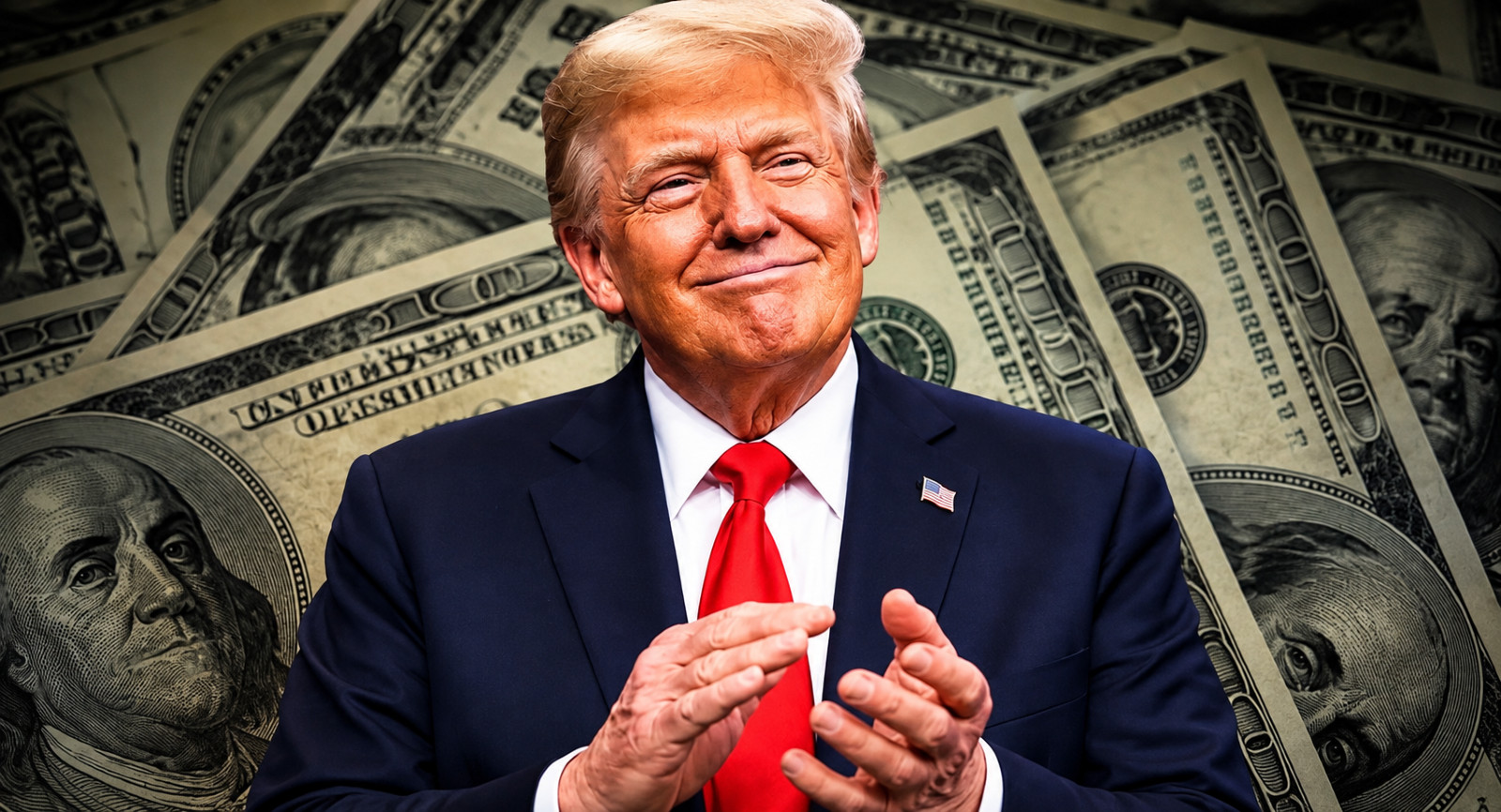
The Trump administration has begun sending $500 refund checks to nearly 1 million Americans who it says were overcharged for health insurance purchased through the Affordable Care Act marketplaces.
The U.S. Treasury Department began issuing the payments this week to more than 950,000 people across 30 states, according to administration officials.
Each recipient will receive a $500 check accompanied by a letter from President Donald Trump explaining the refund.
The payments total approximately $475 million and are being sent automatically, meaning eligible Americans do not need to submit an application or contact the government to receive the money.
The administration says the refunds are connected to a health insurance pricing practice known as “silver loading” that developed after the federal government stopped reimbursing insurers for certain Affordable Care Act subsidies.
Under the ACA, insurers are required to reduce deductibles, copayments and other out-of-pocket costs for qualifying lower-income consumers who enroll in certain “silver” health plans.
Those benefits are known as cost-sharing reductions.
The federal government initially reimbursed insurance companies directly for providing the reductions.
That changed during Trump’s first term.
In October 2017, the administration stopped making cost-sharing reduction payments to insurers after concluding that Congress had never provided a permanent appropriation for the spending. The decision followed years of legal and political disputes over the payments.
Insurance companies still had to provide the discounts required by law, however.
Many responded by increasing premiums on silver-level ACA plans to recover the lost federal payments — the practice that became known as silver loading.
Because the ACA’s premium tax credits are calculated using the price of benchmark silver plans, those higher premiums also increased the amount the federal government paid in subsidies for many consumers.
The result produced an unusual situation.
Some subsidized consumers benefited because larger federal tax credits made other ACA plans cheaper. But some people who did not receive premium subsidies faced higher insurance prices because of the additional costs loaded onto silver plans.
The Trump administration says the newly issued refunds are intended to compensate a group of consumers who paid more than they should have.
“Nearly one million Americans were overcharged for Obamacare,” the White House said Thursday in announcing the payments.
Administration officials argue the refunds are another step toward addressing what they describe as excessive health care costs generated by the ACA.
The administration’s characterization of the payments as “Obamacare refunds” reflects its view of the underlying dispute.
The ACA itself did not establish a general $500 refund program, and the checks are not being distributed to everyone who purchased marketplace insurance.
Instead, the administration identified approximately 950,000 consumers in 30 states whom officials determined were affected by the pricing issue and eligible for the payments.
The checks are being distributed through the Treasury Department.
Trump also signed the letter accompanying each payment.
“This refund represents money that should never have been taken from you in the first place,” Trump wrote, according to Fox News Digital.
The president used the letter to criticize the Affordable Care Act and argue that his administration is working to reduce health care costs.
The payments come as health care affordability has again emerged as a significant political issue ahead of the November midterm elections.
Republicans have continued criticizing the ACA’s cost structure while Democrats argue that the law expanded insurance coverage and that enhanced subsidies have helped millions of Americans afford marketplace plans.
Those enhanced premium tax credits have themselves become a major point of contention in Washington as lawmakers debate the future of federal health care spending.
The $500 refunds are separate from those enhanced subsidies.
They also differ from the ACA’s existing medical loss ratio rebate system, which requires insurers to return money to customers when they spend too little premium revenue on medical care and quality improvements.
Those rebates are ordinarily issued by insurance companies rather than the Treasury.
This article may contain commentary which reflects the author's opinion.
