More than 20 million Americans could receive one-time $90 payments this month under a new Trump administration initiative designed to help seniors offset the cost of Medicare premiums.
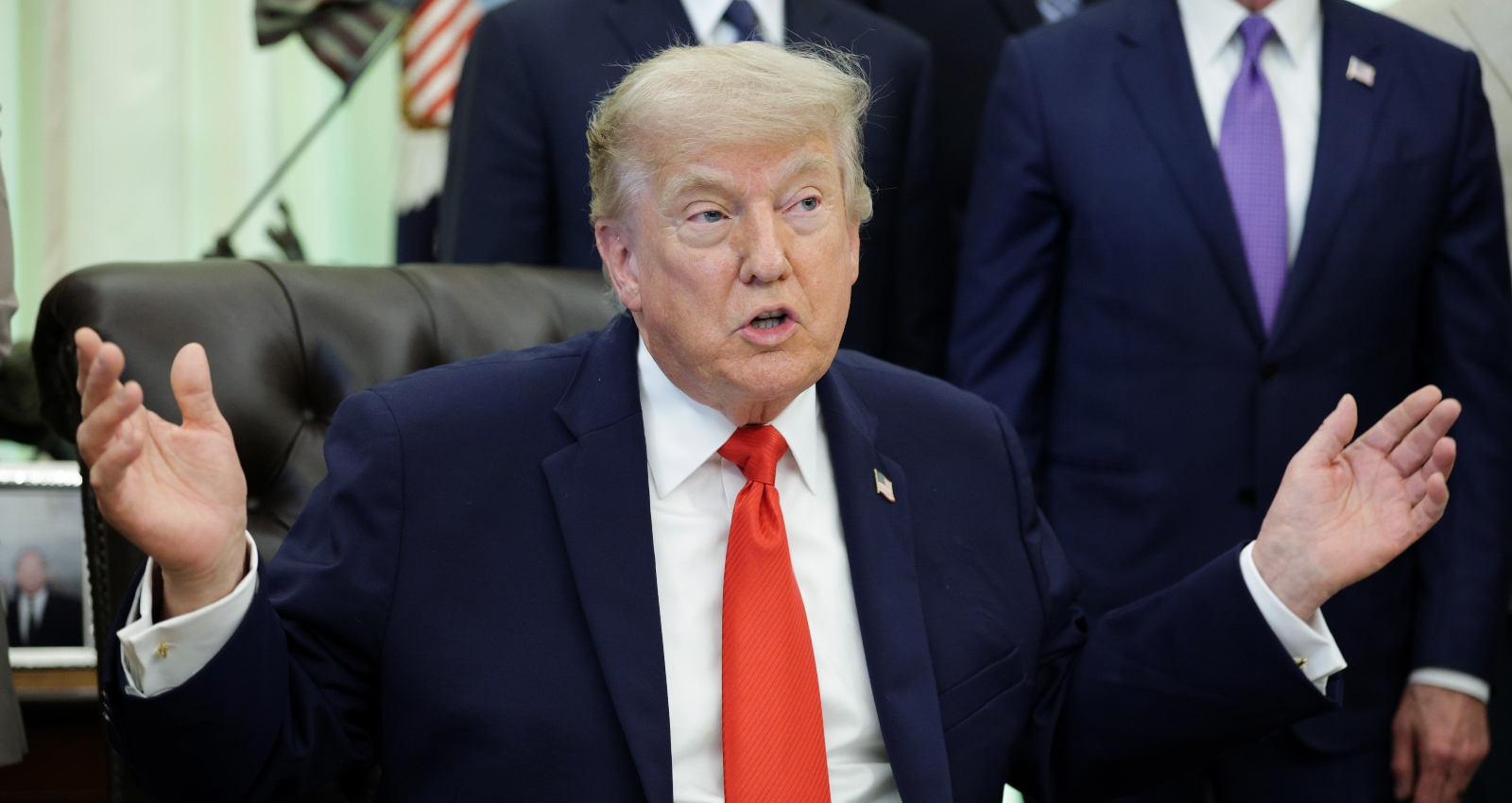
President Donald Trump announced the payments late Friday, saying his administration would begin distributing money to qualifying Medicare Part B beneficiaries using an existing federal fund created nearly two decades ago.
Trump initially described the payments as checks worth nearly $100 before the White House clarified that eligible beneficiaries will receive exactly $90.
Most qualifying recipients with direct deposit information on file are expected to receive the money in early October, according to the administration. Beneficiaries without direct deposit will instead receive checks through the mail.
The administration stressed that the $90 is a one-time payment. It does not represent a permanent reduction in Medicare premiums or an increase in monthly Social Security benefits.
The money is intended to help Medicare beneficiaries cover Part B premiums.
Medicare Part B generally covers outpatient medical care, including physician services, preventive care and certain medical equipment.
Although the administration says more than 20 million people are expected to qualify, simply being enrolled in Medicare Part B does not guarantee a payment.
Two groups are excluded. Beneficiaries whose Medicare Part B premiums are already paid through Medicaid will not receive the $90 payment.
People subject to Medicare’s Income-Related Monthly Adjustment Amount, commonly known as IRMAA, are also excluded. IRMAA requires higher-income beneficiaries to pay additional premiums for Medicare Part B and Part D coverage.
That means the payments are primarily targeted toward Medicare beneficiaries who pay standard Part B premiums themselves.
The White House directed seniors with questions about eligibility to Medicare. Questions concerning the status of individual payments can be directed to the Social Security Administration.
The administration says the payments will be financed through the Medicare Improvement Fund, which Congress established in 2008.
The fund was created to provide money for improvements to Medicare’s fee-for-service program.
According to the White House, Congress provided approximately $2 billion for the fund, which the administration says has not previously been used to distribute direct payments to Medicare beneficiaries.
Trump characterized the initiative as returning existing healthcare money directly to seniors rather than creating an entirely new federal spending program.
“We are finally using this Fund,” Trump wrote while announcing the program.
Trump referred to the account as a “Slush Fund” and criticized previous administrations for how the money had been handled.
Those descriptions represent the president’s political characterization of the fund and are separate from the eligibility requirements governing the new payments.
At $90 per person, distributing payments to more than 20 million beneficiaries would require at least $1.8 billion.
The final cost will depend on the precise number of Medicare beneficiaries who meet the administration’s eligibility requirements.
The administration says most qualifying beneficiaries who already receive federal benefits electronically should not have to take additional action.
Their $90 payments are expected to be deposited automatically.
Beneficiaries without direct deposit information on file will receive paper checks at the mailing address Medicare or Social Security has associated with their records.
The White House warned that mailed payments could take longer to arrive.
Because the payment is automatic for eligible beneficiaries, seniors should be cautious about unsolicited calls, emails or text messages claiming they must provide financial information to receive the money.
The federal government generally advises Medicare recipients not to provide Medicare numbers, Social Security numbers or banking information in response to unexpected communications.
The Medicare payment is also separate from another administration initiative involving approximately 950,000 people who purchased insurance through Affordable Care Act marketplaces.
The administration has announced refunds of up to $500 for some marketplace customers it says were charged too much for their health insurance coverage.
Trump specifically distinguished those refunds from the new Medicare payments.
The programs involve different beneficiaries, different eligibility requirements and different sources of funding.
For Medicare recipients, the newly announced benefit remains a single $90 payment intended to help offset premium expenses.
This article may contain commentary which reflects the author's opinion.
