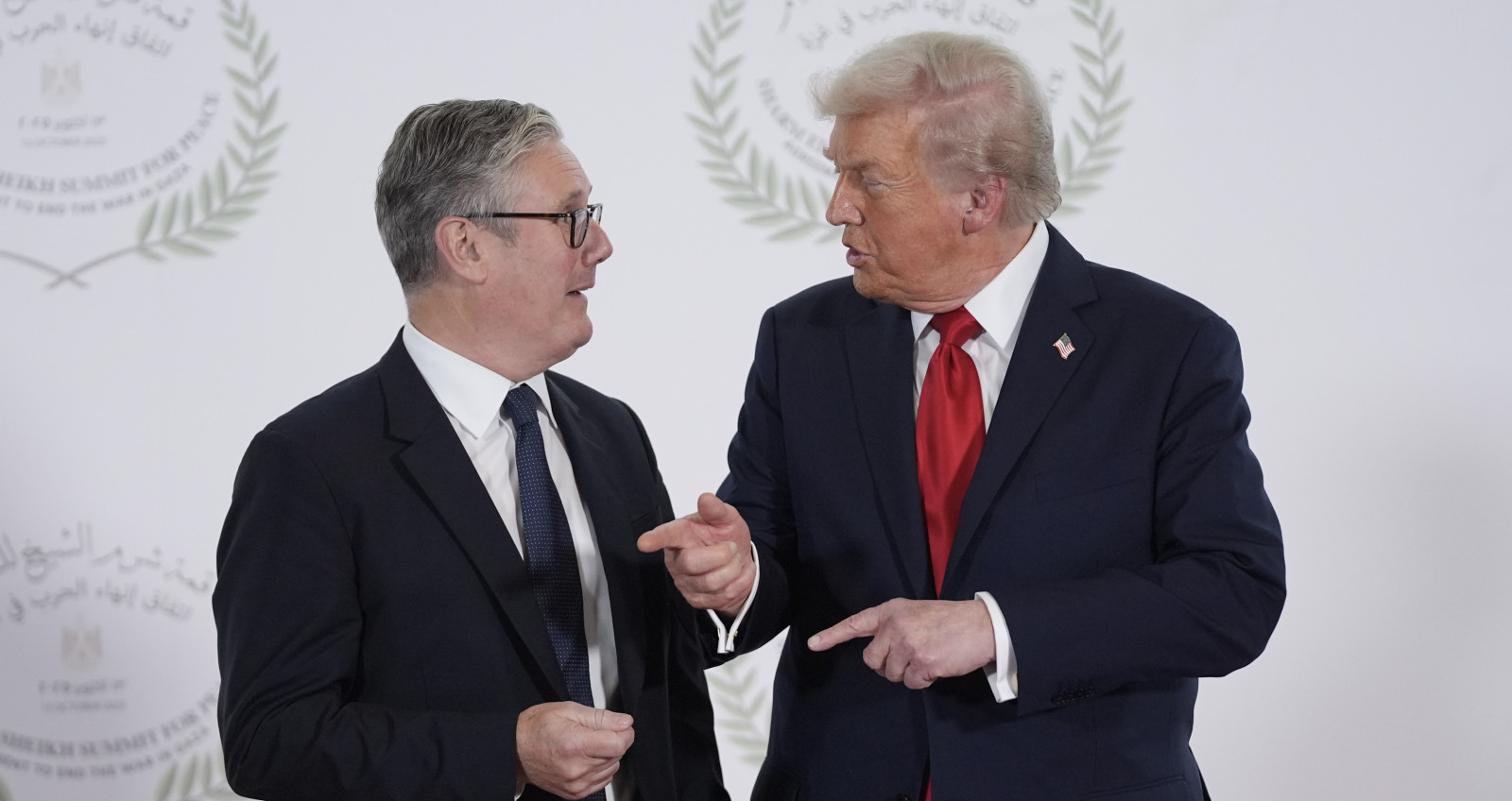
President Donald Trump arrived at the G7 summit in France this week with world leaders seeking answers about his administration’s newly announced framework agreement with Iran, underscoring once again how much global attention remains focused on Washington’s decisions.
While European leaders arrived hoping to discuss Ukraine, trade, migration, and economic challenges, much of the conversation quickly shifted toward Trump’s surprise diplomatic breakthrough with Iran and what comes next.
The president confirmed that both he and Vice President JD Vance electronically signed a memorandum of understanding with Iran on Sunday.
Iranian Parliament Speaker Mohammad Bagher Qalibaf signed on behalf of Tehran.
Administration officials say the agreement is only the first phase of a broader process that will now move into detailed negotiations expected to begin later this week.
“We’ll be releasing the text this week,” Vance said during a television interview on Monday.
“What everybody will see is that Iran doesn’t get a dime of money unless they perform their obligations.”
That statement directly pushed back against widespread reports claiming the agreement included a massive reconstruction fund worth hundreds of billions of dollars.
Vance dismissed those claims as misinformation, explaining that any future economic benefits would be tied to strict Iranian compliance and would largely involve sanctions relief rather than direct American payments.
According to administration officials, Iran would have to permanently abandon its nuclear ambitions, eliminate enriched nuclear stockpiles, and submit to extensive inspections before significant economic benefits could materialize.
“So long as they honor their end of the obligation,” Vance explained, Gulf nations could potentially participate in reconstruction efforts, but only after Iran meets its commitments.
The framework represents a dramatic shift from years of escalating tensions that repeatedly brought the region to the brink of wider conflict.
Officials also confirmed that the Strait of Hormuz, one of the world’s most important shipping routes, is expected to fully reopen after the formal agreement is signed on Friday in Geneva.
The recent crisis has kept the waterway partially restricted, which has contributed to energy market uncertainty and rising costs worldwide.
British Prime Minister Keir Starmer acknowledged the significance of reopening the strait, saying it was critical for both Britain and the broader global economy.
“The strait being closed has had an impact on our economy and an impact on every household across the country,” Starmer said.
The British leader indicated that the United Kingdom could potentially assist with demining operations if necessary.
Yet even as European leaders attempted to position themselves as partners in the diplomatic process, the summit also highlighted the growing imbalance between American influence and Europe’s increasingly limited role in major geopolitical negotiations.
One of the more awkward moments came when Starmer appeared to be caught on a hot microphone asking whether Trump was holding another meeting elsewhere after the American president met with French President Emmanuel Macron and Ukrainian President Volodymyr Zelensky.
The incident fueled speculation in British media that Starmer had been sidelined during portions of the summit.
Starmer rejected suggestions that he had been snubbed by Trump, insisting the two leaders held productive conversations throughout the event.
“We had very productive, very good conversations,” Starmer said.
At the G7 meeting, Trump shakes Starmers hand but isn’t interested in talking to him 🤣 pic.twitter.com/6Q8EtMDmVz
— 🤍𝕁𝕆🤍 (@jomickane) June 16, 2026
Still, observers noted that much of the summit’s attention centered on Trump’s meetings and diplomatic initiatives rather than the priorities of European leaders.
That reality was underscored by growing frustration among some European officials over the pace of negotiations involving both Iran and Ukraine.
Trump met separately with Zelensky and continued pressing for a negotiated settlement to the war between Russia and Ukraine.
🚨 NOW: President Trump just WALKED OUT in France for a photo after leaving America at 3AM
The man is GLOWING!
Representing America with strength on the world stage, yet again 🔥 pic.twitter.com/4g7tVLnj9E
— Eric Daugherty (@EricLDaugh) June 15, 2026
At the same time, administration officials revealed additional details about the developing Iran framework.
The United States will maintain its current military posture in the region during a 60-day negotiation period.
And officials repeatedly emphasized that any economic concessions will be tied directly to verified Iranian compliance.
The comments suggest the administration intends to proceed cautiously despite the diplomatic breakthrough.
This article may contain commentary which reflects the author's opinion.
