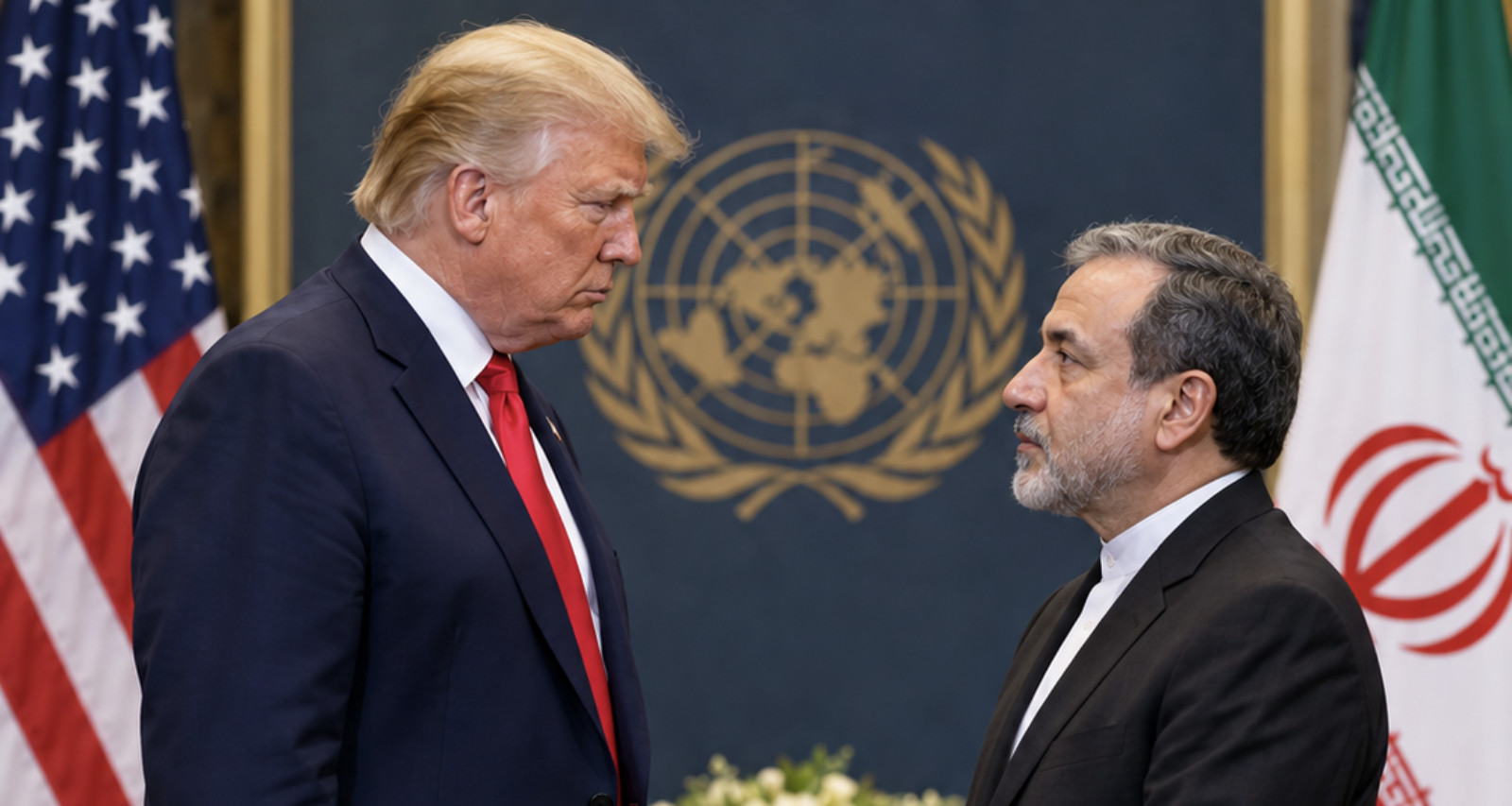
President Donald Trump said American officials held three hours of talks with Iran Tuesday alongside the United Nations General Assembly.
The discussions followed Trump’s forceful U.N. speech, where he threatened further military action unless Tehran accepts a negotiated settlement.
Trump said special envoy Steve Witkoff and adviser Jared Kushner participated in what he described as a “very good meeting.”
He said the session lasted roughly three hours and added that they expected another meeting “in the very near future.”
However, accounts differed over whether American and Iranian officials actually met face-to-face during Tuesday’s diplomacy.
Witkoff said mediators “shuttled between the two sides throughout the day,” describing the contact as lengthy indirect discussions.
He said the mediators “successfully completed a round of discussions” that Washington hopes will prove “constructive and promising.”
Reuters reported that the talks were the first sustained U.S.-Iran shuttle negotiations in months during the nearly seven-month conflict.
The diplomacy came hours after Trump delivered some of his strongest public warnings yet against Iran’s government.
“I have a big decision to make,” Trump told world leaders gathered at United Nations headquarters in New York.
He asked whether Iran would make a deal allowing the country to rebuild or face overwhelming American military escalation.
Trump said the alternative could be to “annihilate the Islamic Republic,” language that prompted Iran’s delegation to walk out.
Another portion of Trump’s address asked whether he should “drive them into hell” if Tehran rejected an acceptable agreement.
Despite that rhetoric, Trump later sounded more optimistic while discussing the diplomatic contacts with reporters in New York.
“I think that a settlement is going to be reached,” Trump said after meeting British Prime Minister Andy Burnham.
He added, “They want to talk to us,” and said contacts between Washington and Tehran were continuing Tuesday.
Trump nevertheless repeated his longstanding condition that Iran cannot obtain a nuclear weapon under any future agreement.
The president also predicted the broader conflict could end after November’s midterm elections, while acknowledging timing remained uncertain.
“We think that the situation with Iran could end right after the midterm elections, maybe before,” Trump said.
Negotiations are heavily focused on the Strait of Hormuz, whose wartime disruption has shaken global oil and shipping markets.
Before the war, roughly one-fifth of globally traded oil and gas moved through that strategically critical Persian Gulf passage.
A senior Iranian official told Reuters Tehran could reopen Hormuz within seven days if Washington satisfies several conditions.
Those demands include easing American military pressure and lifting the U.S. blockade imposed on Iranian ports during the war.
Iran said it conveyed its latest reopening proposal to Washington through mediators last week before the U.N. negotiations.
Tehran has also demanded an end to hostilities and the release of frozen Iranian assets as part of broader discussions.
Gulf governments are pressing for restored shipping while remaining concerned about Iran’s regional military influence and continuing instability.
Trump met regional leaders Tuesday as Qatar advanced a proposed security framework involving Iran and neighboring Arab Gulf states.
Qatar’s prime minister also met Iranian Foreign Minister Abbas Araqchi, underscoring Doha’s continuing role as an intermediary.
Oil markets reacted to the diplomatic movement after months of elevated prices tied to war and restricted Gulf shipping.
Secretary of State Marco Rubio said Washington remained open to diplomacy, while warning the regional conflict remained highly dangerous.
Trump’s administration is pairing negotiations with economic pressure and the continued possibility of additional military action against Iran.
No final agreement was announced Tuesday, and neither side publicly described any substantive change in its core negotiating positions.
Time will tell what happens next and if any deals are announced.
This article may contain commentary which reflects the author's opinion.
