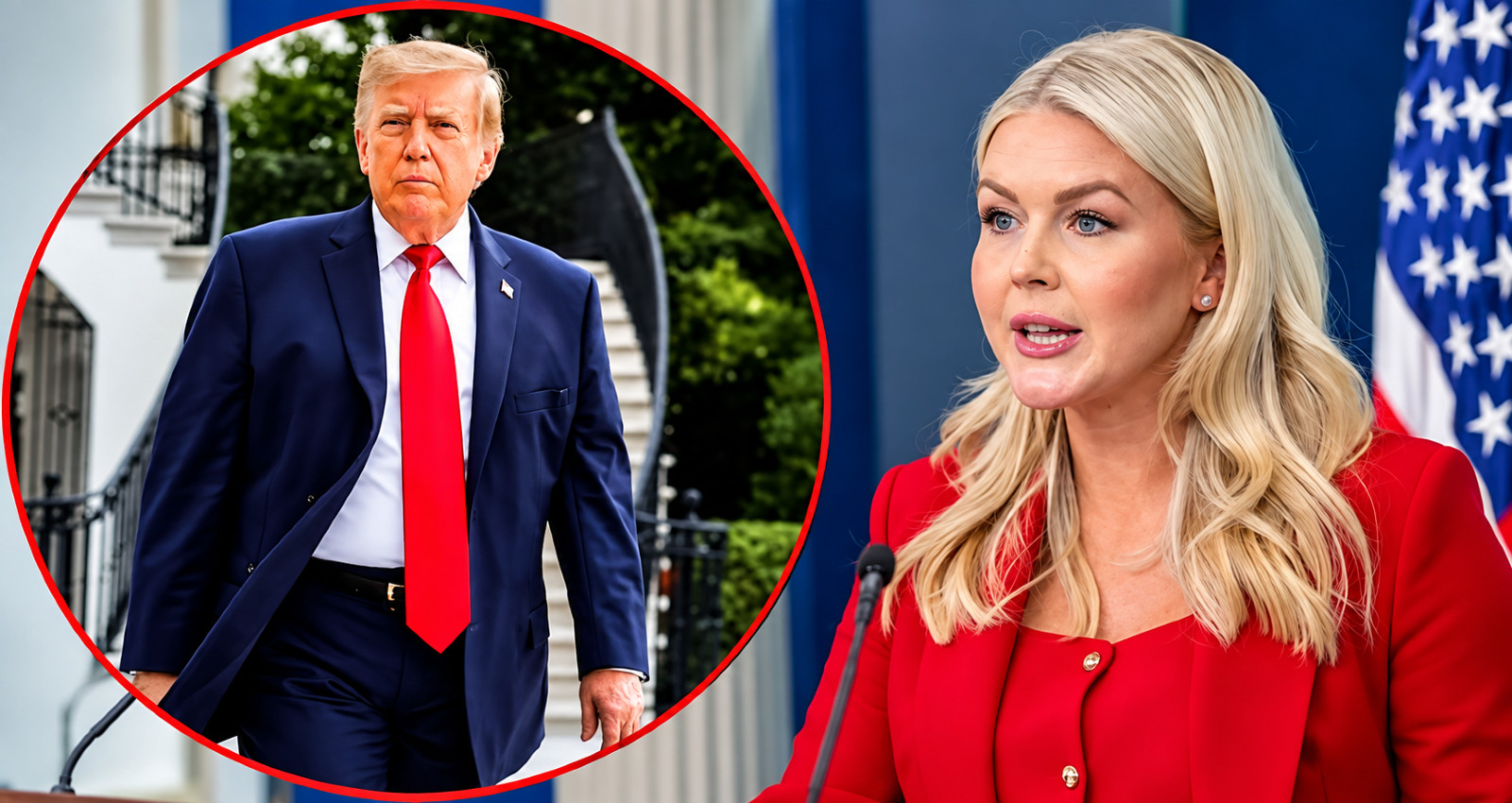
Observers noted a familiar face heading into the White House Monday afternoon.
Various reports and social media accounts noted that former Director of National Intelligence Tulsi Gabbard made a visit to the White House and was seen heading toward the Executive Office Building.
Asked why she was there, Gabbard answered only, “To say hi to some old friends.”
There is no confirmation that she met with President Donald Trump, discussed a new position, or is returning to the administration, though some on social media have speculated that she may have been there to talk about becoming the next press secretary to replace Karoline Leavitt.
In May, Gabbard announced she was resigning her position as DNI, citing an illness suffered by her husband, Alexander.
She said he has “an extremely rare form of bone cancer” and that she must “step away from public service to be by his side and fully support him through this battle.”
Deputy DNI Aaron Lukas stepped in as acting director at the time. Gabbard remained in her position until late June.
“Unfortunately, after having done a great job, Tulsi Gabbard will be leaving the Administration on June 30th,” Trump shared at the time.
“Her wonderful husband, Abraham, has been recently diagnosed with a rare form of bone cancer, and she, rightfully, wants to be with him, bringing him back to good health as they currently fight a tough battle together,” Trump added.
“I have no doubt he will soon be better than ever,” Trump continued. “Tulsi has done an incredible job, and we will miss her.”
🇺🇸 Tulsi Gabbard, the former U.S. intelligence chief, was back at the White House.
Coverage frames the visit as a drop-in to greet former colleagues.
— London Baithead (@londonbaithead) September 29, 2026
Before leaving office, Gabbard plans to release findings from several major investigations, including probes into Havana Syndrome — formerly referred to as Anomalous Health Incidents — the COVID-19 pandemic, alleged weaponization of the federal government, the 2020 presidential election, and other matters, according to an administration official.
The findings were released in weekly installments over the next month.
Gabbard oversaw the declassification of more than 500,000 pages of previously unreleased government records as of May 2026.
According to the report, Gabbard’s “ODNI 2.0” restructuring initiative also reduced staffing and administrative overhead within the Office of the Director of National Intelligence by more than 40%, a move officials claimed would save taxpayers an estimated $700 million annually.
The declassified material reportedly included records connected to the assassinations of John F. Kennedy, Robert F. Kennedy, and Martin Luther King Jr., as well as files concerning the disappearance of Amelia Earhart and Biden administration documents tied to the federal government’s “Strategic Implementation Plan for Countering Domestic Terrorism.”
Gabbard has also publicly pushed to spotlight intelligence and law enforcement actions connected to investigations into alleged Russian interference in the 2016 election, which critics on the Right frequently refer to as the “Russia hoax,” along with claims that officials in the administration of Barack Obama improperly used intelligence agencies to undermine Trump after his 2016 election victory.
Earlier this year, Gabbard’s office put out a statement that she had completed the largest intelligence community-wide “technology and cybersecurity modernization and investment effort” in the country’s history.
“Over the past year, we have taken meaningful steps to begin fulfilling that responsibility through the largest IC-wide technology investment and modernization effort in history,” Gabbard said at the time.
“President Trump’s Intelligence Community is moving faster and more decisively on cybersecurity modernization and investments in IT than ever before, delivering stronger defenses, greater efficiency, and real cost savings for the American people,” she added.
Trump could face a difficult confirmation fight in attempting to install another director of national intelligence, as tensions between the White House and Senate Republicans continue to intensify.
The friction has grown in recent months following Trump’s endorsements against Sen. John Cornyn of Texas and Sen. Bill Cassidy of Louisiana, moves that further strained relations between the president and portions of the GOP establishment.
This article may contain commentary which reflects the author's opinion.
